
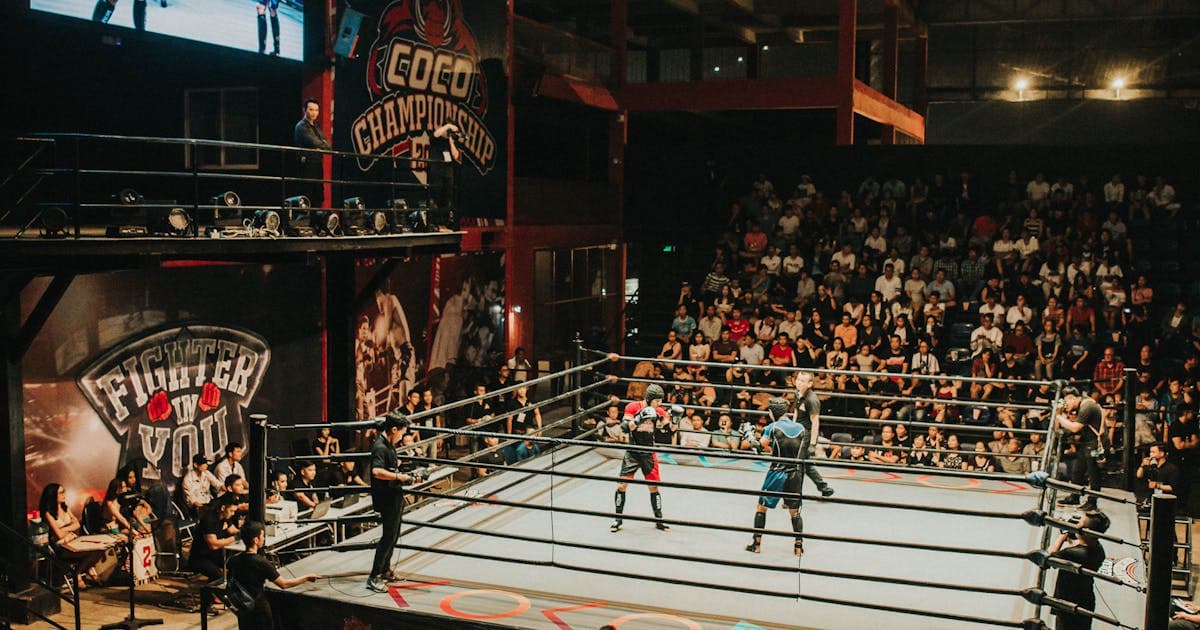
The 2018 Rock Paper Scissors European Championship was the first formal attempt to build a competitive European bracket for the game — a coordinated event that gave national-level players a structure to compete across borders. The WRPSA partnered with Wacky Nation to organize it, combining competitive infrastructure with promotional reach that could pull in players who had never entered a sanctioned event.
The entry pitch was deliberately open: if you know the rules, you're eligible. Rock beats Scissors, Scissors beats Paper, Paper beats Rock. No prior tournament experience required. No fees that would limit access. The format was single elimination, consistent with every sanctioned RPS event, which means every match is decisive and the bracket narrows quickly toward a genuine champion.
What made the European championship interesting beyond a standard national event was the cross-border element. Players from different countries who would never have met in a domestic tournament were suddenly in the same bracket. Competitive RPS culture varies meaningfully by region — different tendencies on opening throws, different gambit preferences, different levels of awareness about conditional response patterns. An experienced player from one competitive environment reading an opponent from a completely different one faces a different challenge than domestic play presents. The familiar tells may not apply. The gambit patterns may be different. It forces adaptation.
The event ran with a trophy, official documentation, and the explicit goal of establishing a European competitive pathway that could develop players for international competition. Whether a relatively casual player from a country with no domestic RPS infrastructure could upset an experienced finalist from a country where the game has been taken seriously for longer was the open question. Sports at their early competitive stages tend to produce these unexpected results, before the infrastructure matures enough to consistently surface the best-prepared players.
That's where the 2018 championship lived: the early stage of something being built deliberately. The results documented who competed at the European level that year. Future championships would build on that record. That's how any competitive hierarchy gets established — someone has to run the first one.