
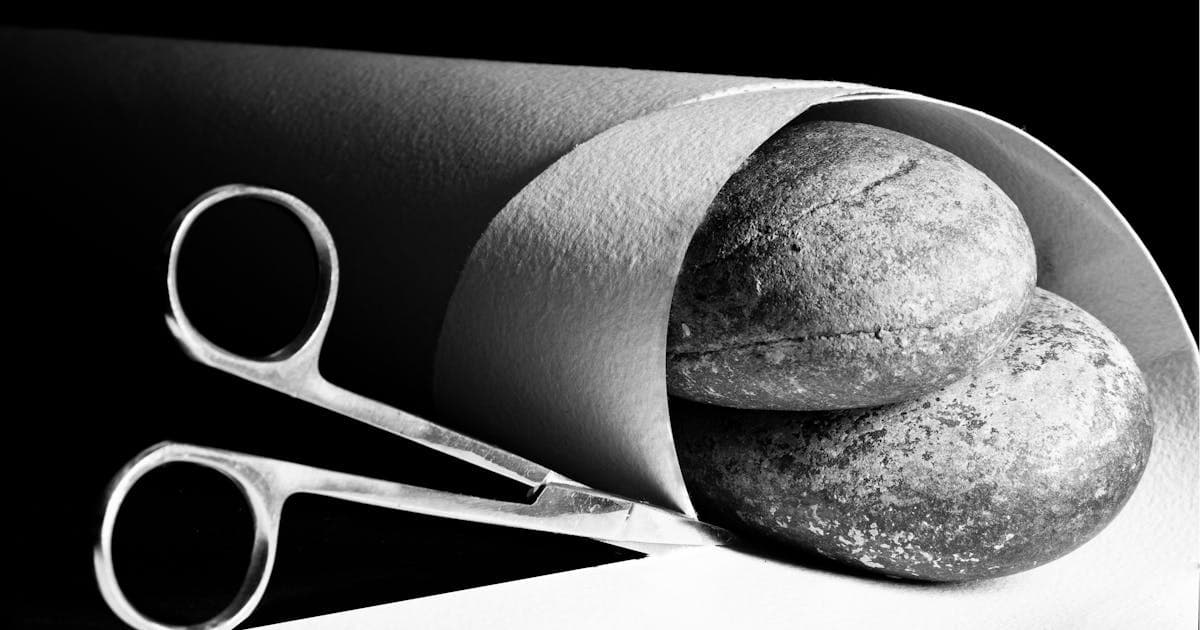
Rock Paper Scissors Referee Guide
Referees matter because organized Rock Paper Scissors depends on clean timing, clear outcomes, and trusted judgment. A strong referee does not dominate the match. The goal is to make the match understandable, fair, and difficult to dispute.
Core responsibilities
- Set or confirm cadence before the first throw.
- Watch for early throws, late reveals, and illegal gestures.
- Keep score accurately in multi-round formats.
- Reset ties and false starts quickly.
- Maintain order if players or spectators create distractions.
What a referee should look for
- Was the throw revealed on the agreed beat?
- Was the gesture legal and clear?
- Did either player change shape late?
- Was there outside interference or coaching?
- Is the pace being disrupted on purpose?
Referees do not need to make the game complicated. They need to notice the right things at the right time.
Handling fouls and disputes
Common referee actions include warnings, rethrows, point awards, or disqualifications depending on the event format and severity. The key is consistency. Players will tolerate strict standards more easily than unpredictable standards.
Scorekeeping and flow
In best-of-three, best-of-five, or longer sets, scorekeeping must stay clean. Players should never have to guess the current score. A referee should announce or confirm the state of the set often enough that confusion never builds up.
Referee presence
The best referee usually looks calm, neutral, and slightly boring. That is a compliment. The role is not to perform. The role is to stabilize the match.
Bottom line
A referee protects the structure of the game. If cadence, score, conduct, and calls stay clear, players can focus on strategy instead of arguing about procedure.