
Learn
What Is Rock Paper Scissors?
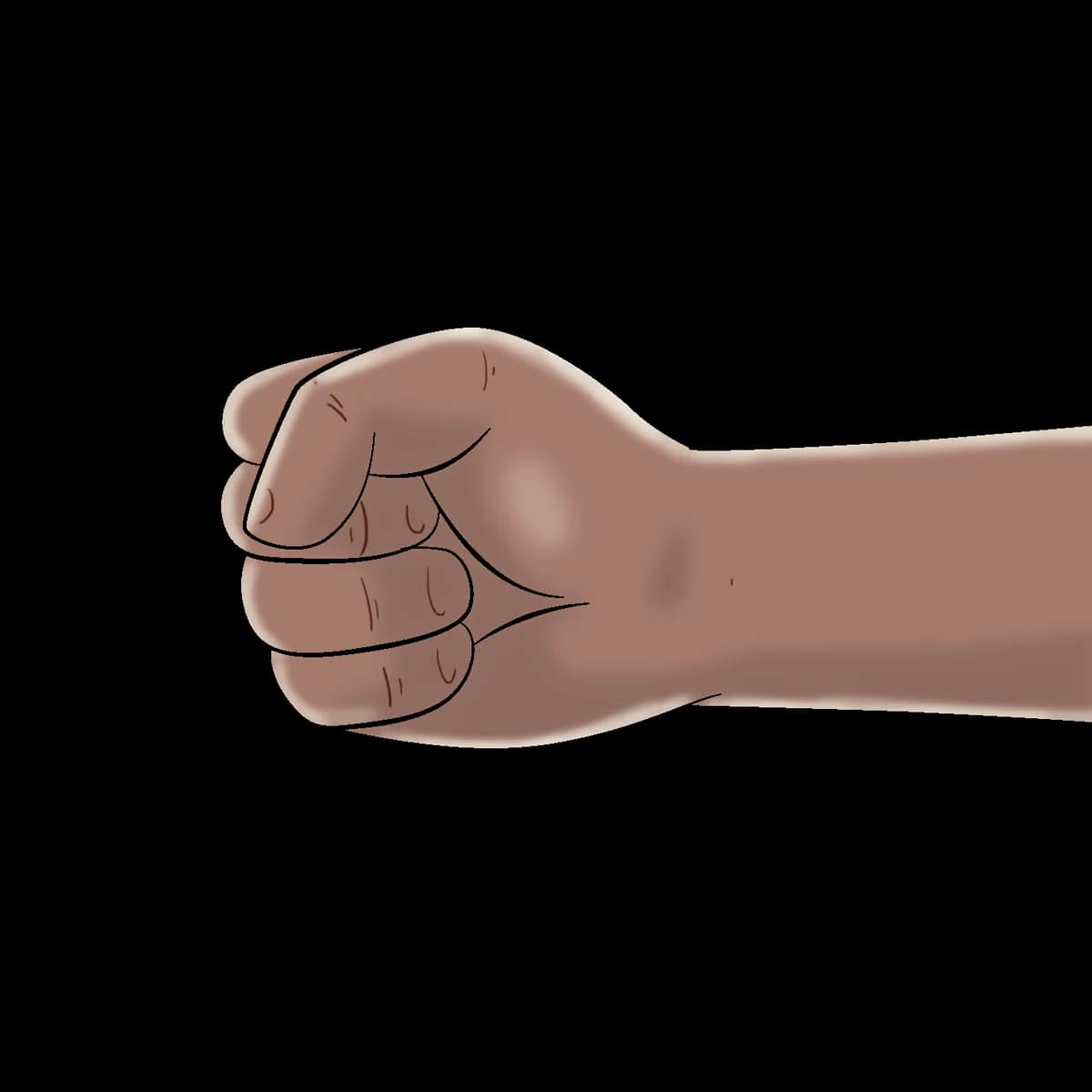 Rock
Rock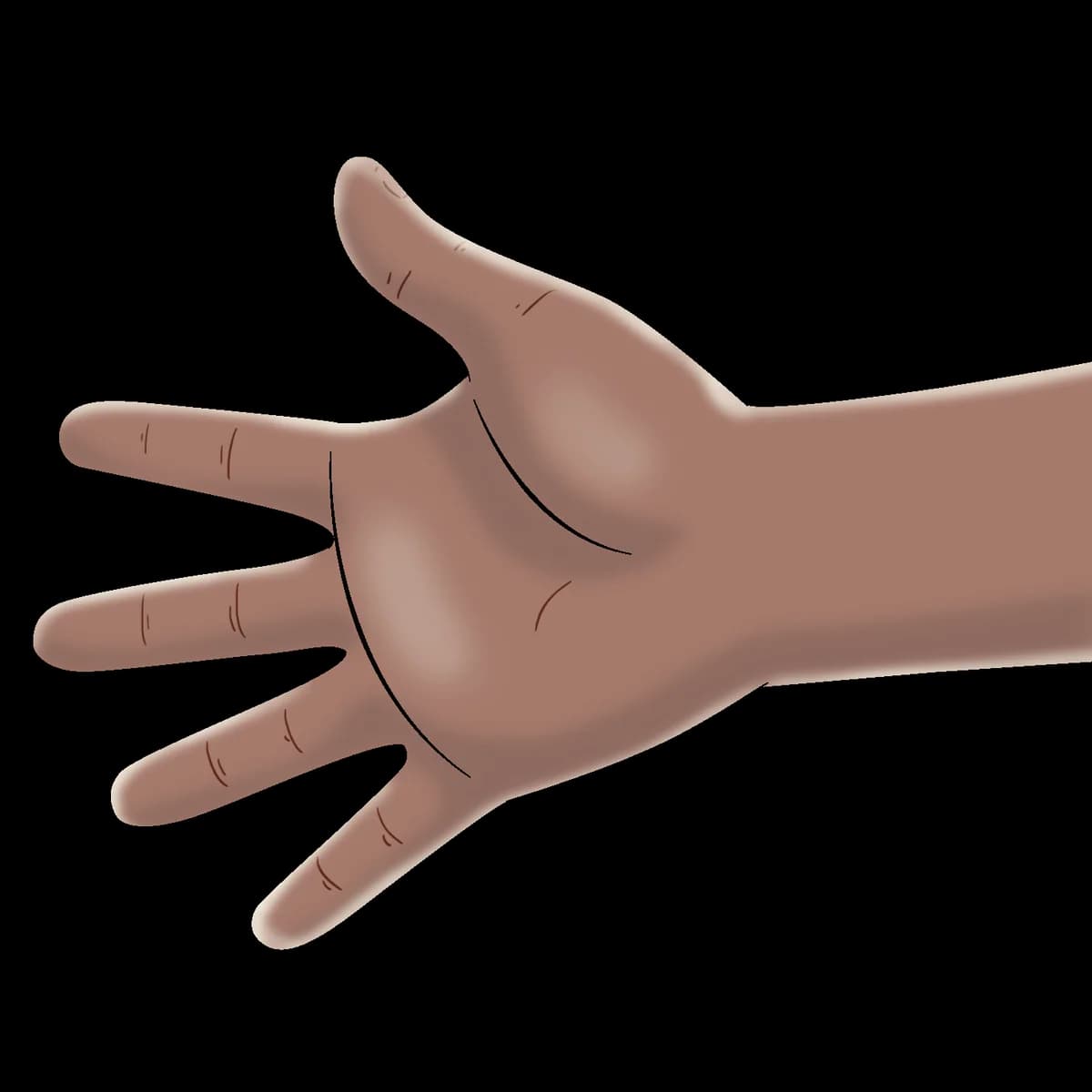 Paper
Paper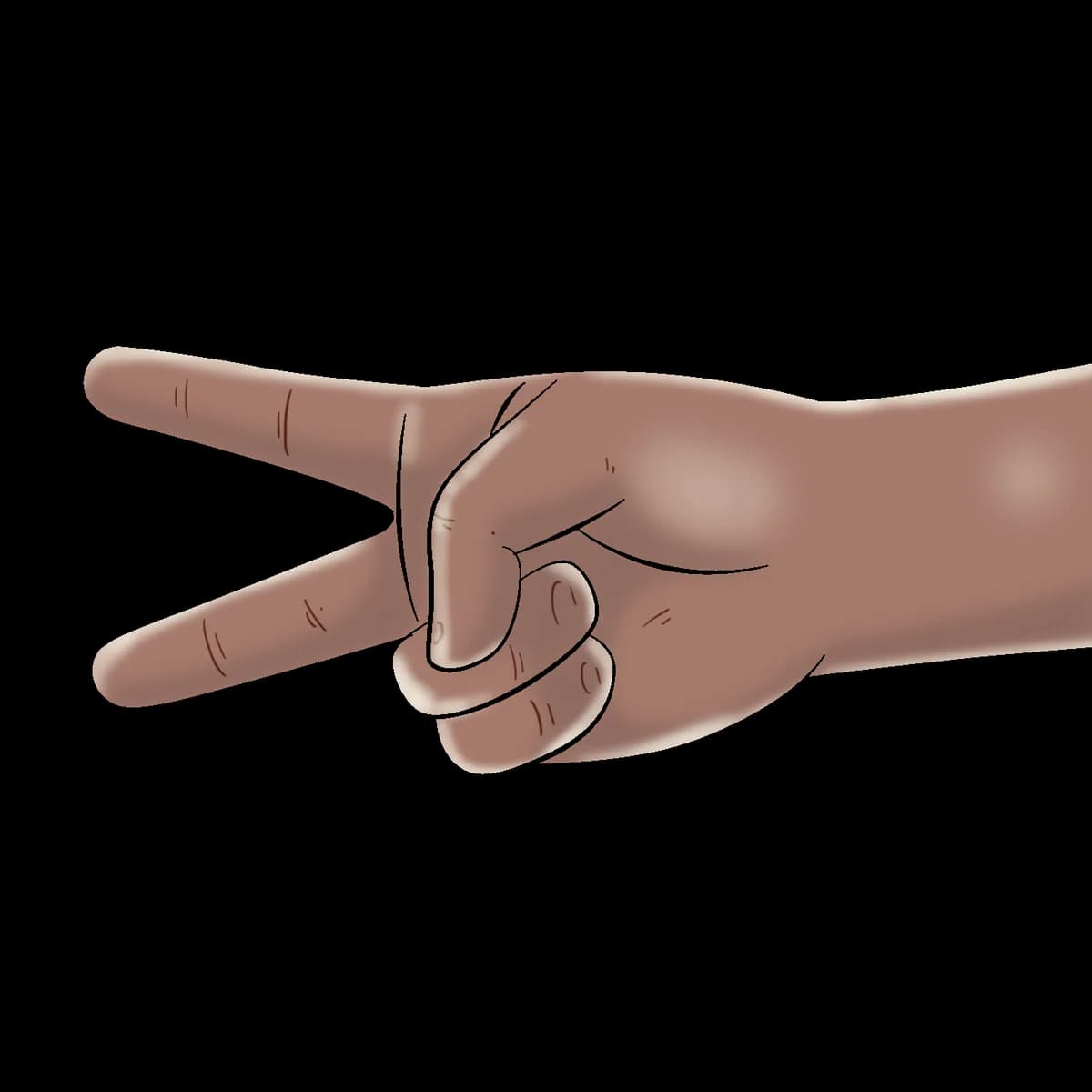 Scissors
Short answer
Rock Paper Scissors is a two-player hand game. Each player chooses Rock, Paper, or Scissors and reveals on the agreed count: Rock defeats Scissors, Scissors defeats Paper, and Paper defeats Rock; matching gestures draw. Because each gesture has one win and one loss in the rule cycle, no pure gesture is always strongest. WRPSA also uses the game for recorded play, events, and research, with eligibility stated by each surface.
The three gestures, the result cycle, the documented history, and where organized competition begins.
The Simplest Game That Nobody Can Figure Out
Rock Paper Scissors, abbreviated RPS, is a two-player hand game. Each player privately chooses one of three gestures and reveals it on the agreed count.
The three shapes:
- Rock — a closed fist
- Paper — a flat open hand
- Scissors — two extended fingers
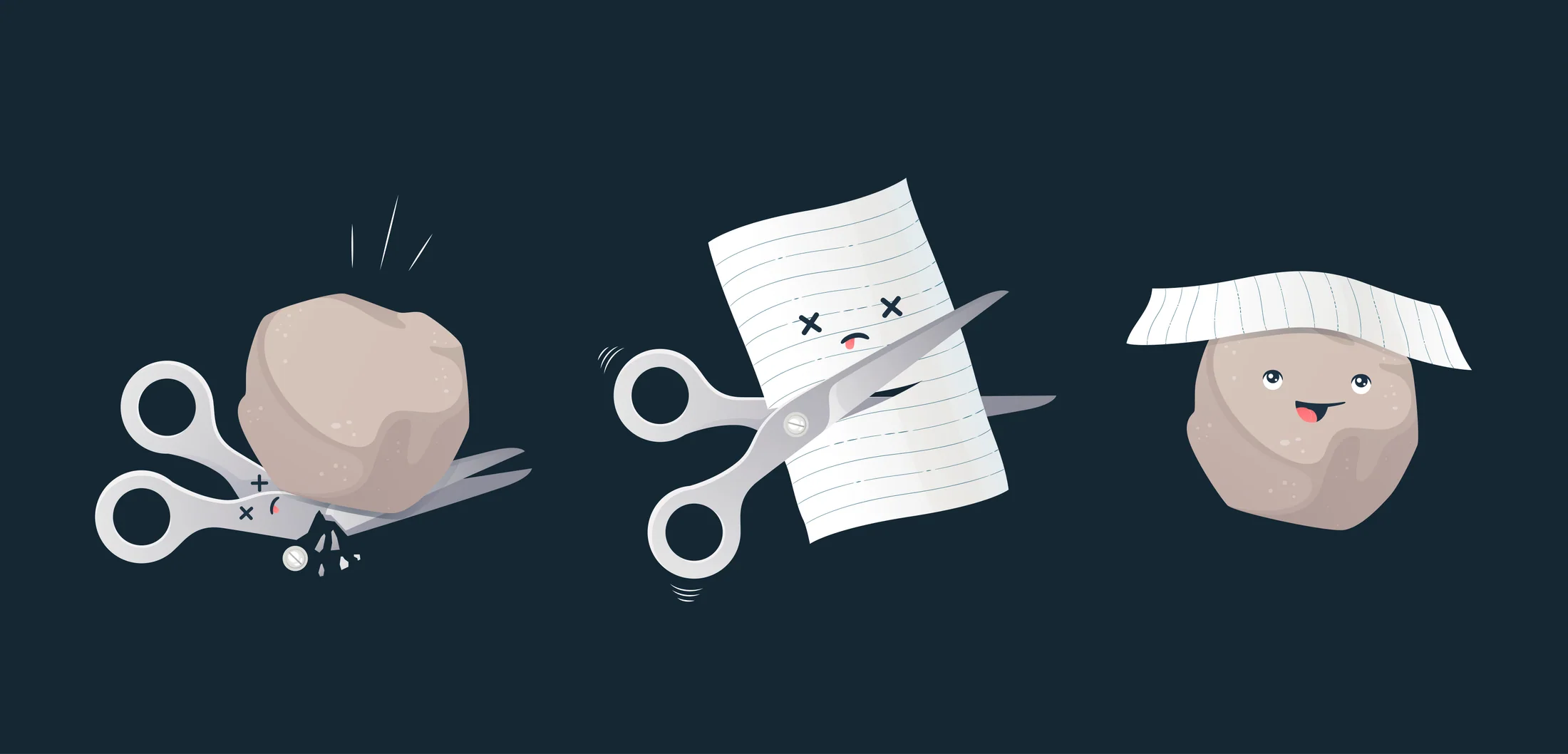
Rock defeats Scissors. Scissors defeats Paper. Paper defeats Rock. Matching gestures are a draw; the adopted match format determines whether players repeat the round or record the draw.
How It Actually Works
Under WRPSA rules, players use the four-beat cadence “Rock… Paper… Scissors… Shoot!” and reveal on “Shoot.” An event can adopt another clearly stated cadence, but both players must use the same timing and reveal simultaneously.
The standard hand game needs no board, cards, network connection, or purchased equipment. Accessible or digital adaptations can represent the same three choices and result cycle in another input form.
It's Not Just for Settling Who Rides Shotgun
Researchers use RPS as a compact model for mixed strategies, conditional responses, and non-transitive competition. Each paper’s population and protocol limits what can be inferred about another player or setting.
The World Rock Paper Scissors Association (WRPSA), founded in 2015, publishes rules for programs that adopt them, records eligible platform results, maintains the associated rankings, and provides event tools. It does not certify every referee, govern every event, or claim exclusive worldwide jurisdiction.
Is Rock Paper Scissors a Sport?
It depends on the definition. Definitions that require sustained physical exertion leave Rock Paper Scissors out. Definitions built on codified rules, head-to-head competition, and recorded results can include it.
WRPSA organizes it as a sport: it publishes a versioned ruleset, records eligible results, and keeps a championship record. That is WRPSA’s own position, not a ruling by an outside sports body. To play it casually, how to play covers everything you need.
Why It Matters (Seriously)
Documented examples show the same three-choice structure used in several settings:
- Federal order: In 2006, Judge Gregory A. Presnell directed lawyers to use one RPS game to settle the location of a deposition. This was a narrow discovery order, not a general court procedure.
- Auction decision: In 2005, Takashi Hashiyama used RPS to choose between Christie’s and Sotheby’s. Christie’s won the right to handle the collection after choosing Scissors against Paper.
- Research: Controlled RPS tasks appear in game theory, behavioral experiments, neuroscience, robotics, and ecological models. Ecological “RPS” is an analogy for cyclic competition, not human gesture evidence.
- Teaching: The clear outcome cycle can support lessons in probability and experimental design when examples state their assumptions and students record complete results.
Documented Names and Variants
Examples include janken in Japan, French forms such as pierre-feuille-ciseaux, and Roshambo in parts of the United States. Calls, gestures, and follow-up games can vary, so players should agree on the local rules before a deciding throw.
A Small Rule System With Many Uses
The three-action cycle has inspired larger rule variants, documented screen and institutional examples, computer opponents, classroom exercises, and organized brackets.
A new throw resets the three-action choice, but a player’s eligibility, rating, and result history depend on the stated match surface. WRPSA distinguishes practice, casual, daily, and rated records rather than treating every throw as a world-title contest.
01 / The game
- 3Throws
- 3Outcomes
- 9Pairings

02 / Play