
Impara
Le origini del Sasso Carta Forbice
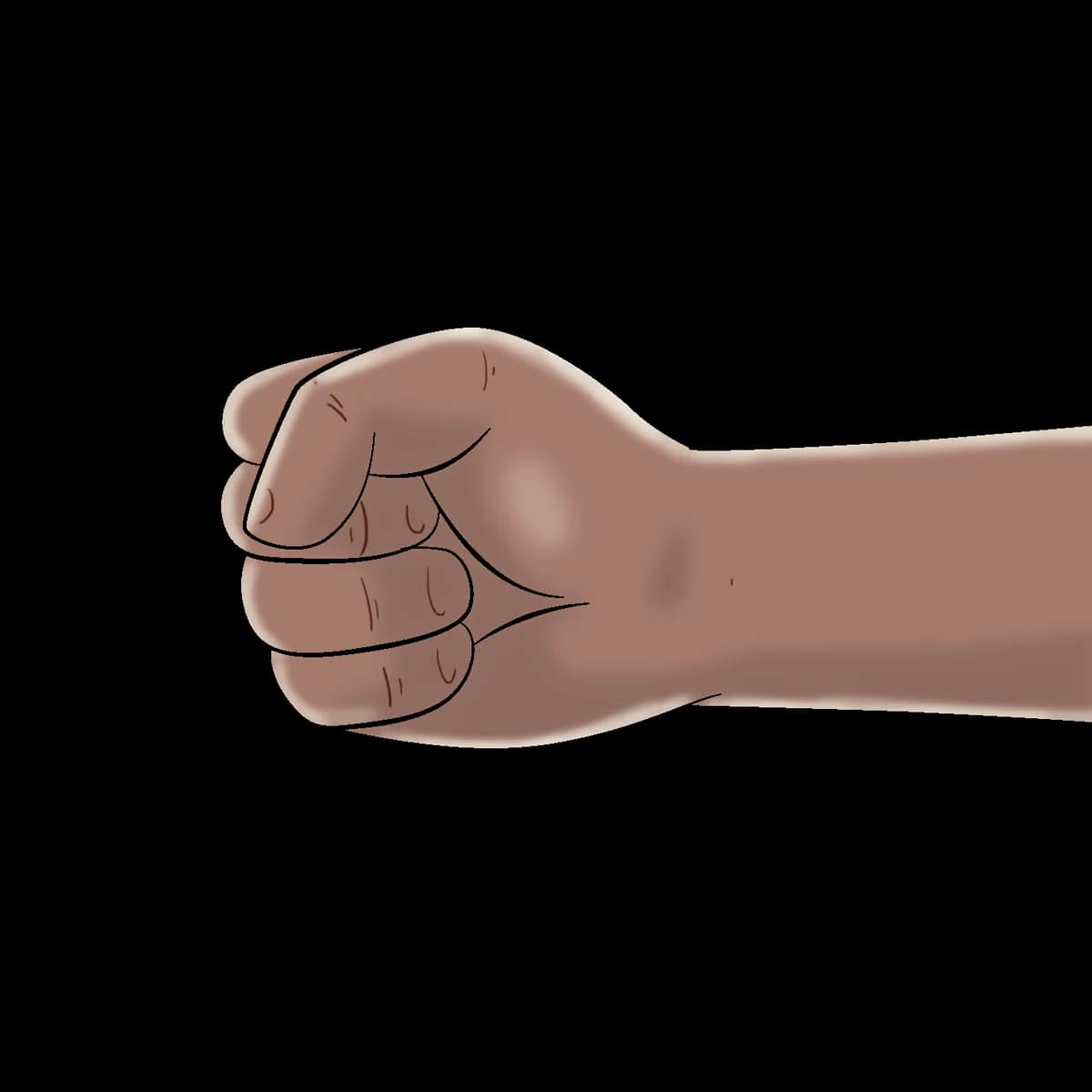 Sasso
Sasso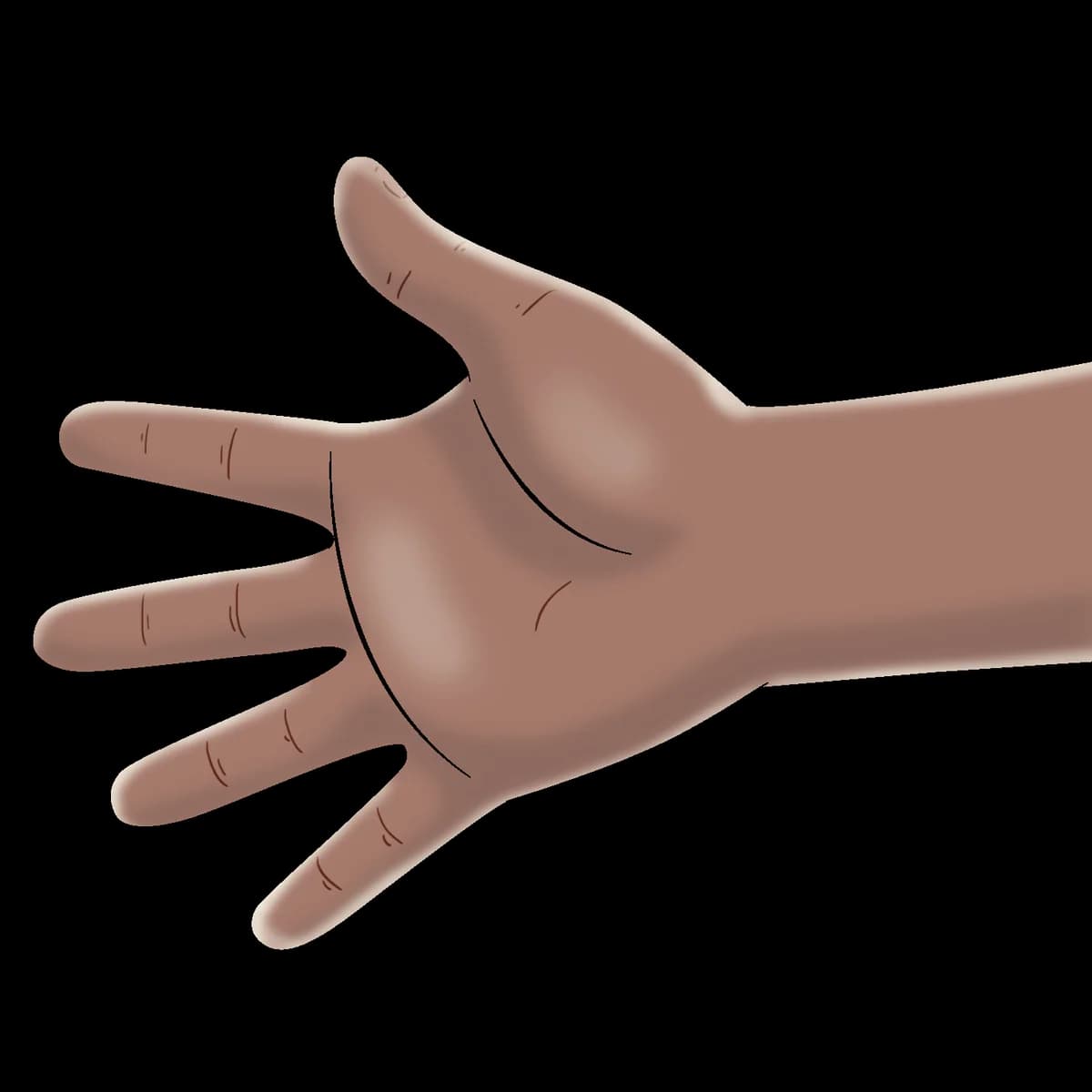 Carta
Carta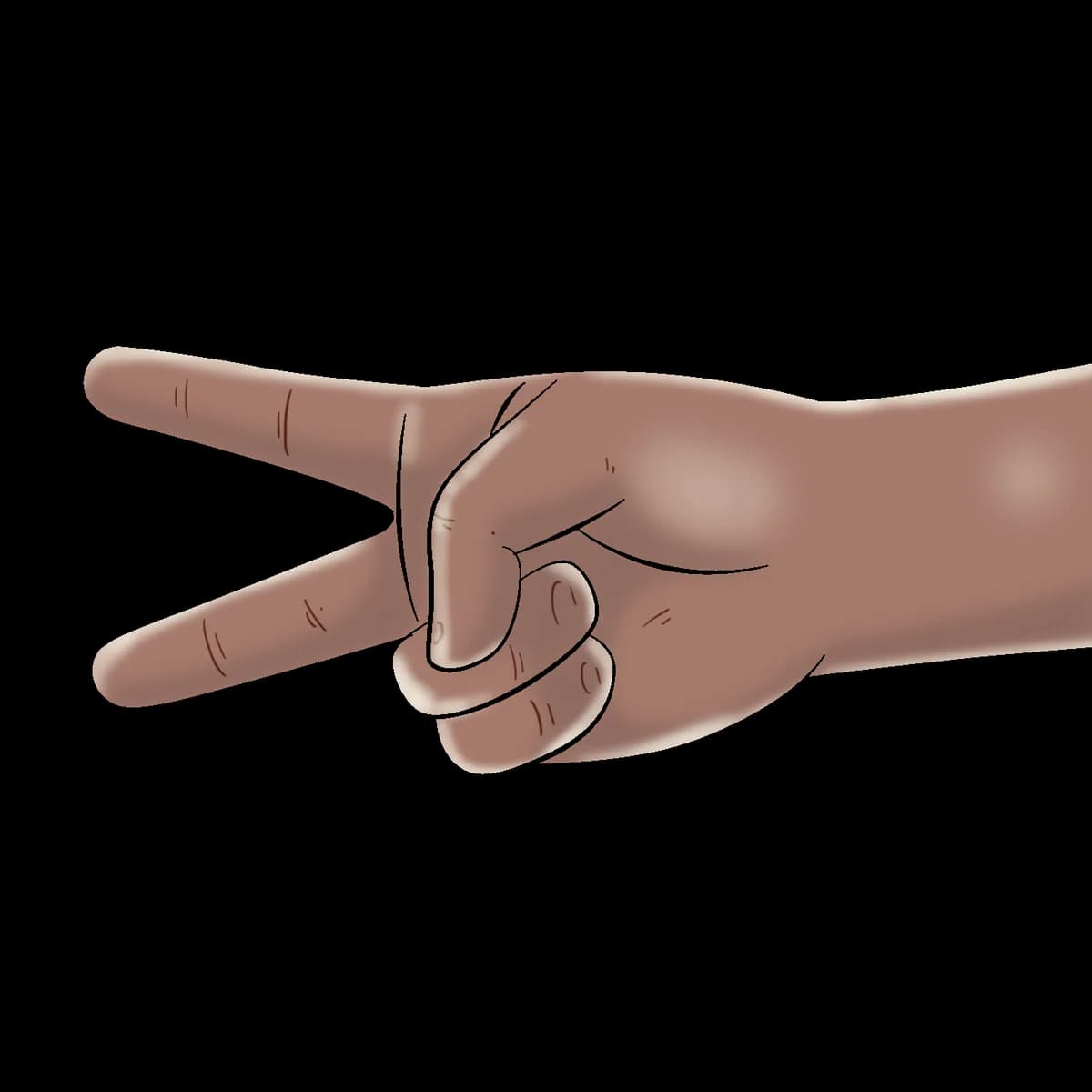 Forbici
Risposta breve
Il Sasso Carta Forbice non ha un unico inventore documentato. Un'opera cinese scritta intorno al 1600 attribuì alla dinastia Han un gioco con le mani più antico, mentre gli studi ricostruiscono famiglie di giochi ken in Giappone e la successiva nascita del janken moderno. Le date esatte e il percorso di trasmissione sono incompleti, quindi questa pagina distingue le prove sopravvissute dalla tradizione successiva.
Cosa stabiliscono le fonti sui giochi con le mani cinesi, sulle tradizioni ken giapponesi e sul percorso, ancora incerto, verso il janken moderno.
La risposta breve
Nessuna fonte sopravvissuta identifica un unico inventore del Sasso Carta Forbice moderno. Un testo cinese scritto intorno al 1600 attribuì retrospettivamente alla dinastia Han un gioco con le mani più antico, e i giochi ken giapponesi documentati si svilupparono in seguito nel janken. La forma moderna a tre gesti è nata in Giappone, ma la cronologia esatta non è del tutto accertata.
Antica Cina: lo shoushiling
Un'importante fonte scritta è il Wuzazu di Xie Zhaozhi, composto intorno al 1600. Attribuiva alla dinastia Han un gioco con le mani chiamato shoushiling. Poiché l'affermazione fu scritta molti secoli dopo, è una prova di una tradizione storica della prima età moderna, non una documentazione diretta del periodo Han.
I giochi da bevuta cinesi usavano segni simultanei con le mani e penitenze, ma gesti e regole variavano. Appartengono alla più ampia ascendenza dei giochi ciclici con le mani; non vanno descritti come il gioco moderno senza precisazioni.
Giappone: la nascita del jan-ken
Il Giappone ha sviluppato molti giochi ken con relazioni cicliche tra animali o ruoli sociali. Lo studio storico di Sepp Linhart documenta questa tradizione variegata. Il janken moderno è nato in quel contesto, ma la documentazione sopravvissuta non fornisce un'unica data di invenzione incontestata.
- Mushi-ken: una variante antica con una rana, una lumaca e un serpente. La rana batte la lumaca, la lumaca batte il serpente, il serpente batte la rana. I giocatori facevano gesti che rappresentavano ciascun animale. Un gesto della mano per la rana. Prova a immaginarlo per un attimo.
- Kitsune-ken: un'altra variante con una volpe, il capo villaggio e un cacciatore. La volpe strega il capo villaggio, il capo villaggio sovrasta il cacciatore, il cacciatore spara alla volpe. La mitologia qui è profonda.
- Jan-ken: la versione finale e semplificata con Sasso, Carta e Forbice. È la forma che si è imposta perché, a quanto pare, tre cose che chiunque può mimare con una mano sono il punto di equilibrio perfetto per un gioco universale.
La ricerca descrive il janken sia come gioco per bambini sia come modo pratico per organizzare i gruppi in Giappone. Il suo ruolo culturale moderno è ben documentato; il percorso preciso a partire dalle varianti ken precedenti è meno certo.
La diffusione mondiale nel Novecento
Le descrizioni occidentali del gioco giapponese compaiono all'inizio del Novecento. Le fonti attestano una crescente visibilità, ma non dimostrano un unico percorso semplice con cui ogni paese lo avrebbe adottato.
- Inizio del Novecento: pubblicazioni in lingua inglese descrissero il gioco giapponese; un articolo del New York Times del 1932 ne descriveva l'uso tra i pendolari di Tokyo.
- 2002: la stampa dell'epoca annunciò un campionato internazionale di Sasso Carta Forbice a Toronto, con data, montepremi e formato dei match dichiarati.
E il nome "Roshambo"?
L'origine di Roshambo resta irrisolta. Non esiste alcuna prova storica che il generale francese Rochambeau abbia giocato o dato il nome al gioco, e il presunto legame fonetico con le cantilene giapponesi non ha una catena di trasmissione documentata. La risposta onesta è l'incertezza.
Nessuno lo ha "inventato"
A differenza degli sport con un fondatore documentato, il Sasso Carta Forbice moderno non ha un inventore identificato. I giochi ciclici affini sono cambiati da un luogo e da un periodo all'altro, e le prove non giustificano l'attribuzione della forma moderna a una sola persona o a una sola data antica.
La forma moderna con sasso, carta e forbice si è sviluppata in Giappone come janken e si è diffusa a livello internazionale all'inizio del Novecento. È il quadro meglio supportato; date più precise vanno considerate provvisorie.
Cronologia
| Periodo | Evento |
|---|---|
| Intorno al 1600 | Il Wuzazu attribuisce retrospettivamente lo shoushiling alla dinastia Han |
| XVIII-XIX secolo | Sono documentati diversi giochi ken giapponesi; forme e contesti sociali variano |
| Fine del XIX secolo | Il janken moderno nasce in Giappone; la cronologia esatta resta controversa |
| Anni Venti-Trenta | Pubblicazioni occidentali descrivono il gioco giapponese a tre gesti |
| 2002 | La stampa dell'epoca annuncia un campionato internazionale a Toronto |
01 / Il gioco
- 3Mosse
- 3Esiti
- 9Abbinamenti

02 / Gioca