
Impara
Perché la carta batte il sasso?
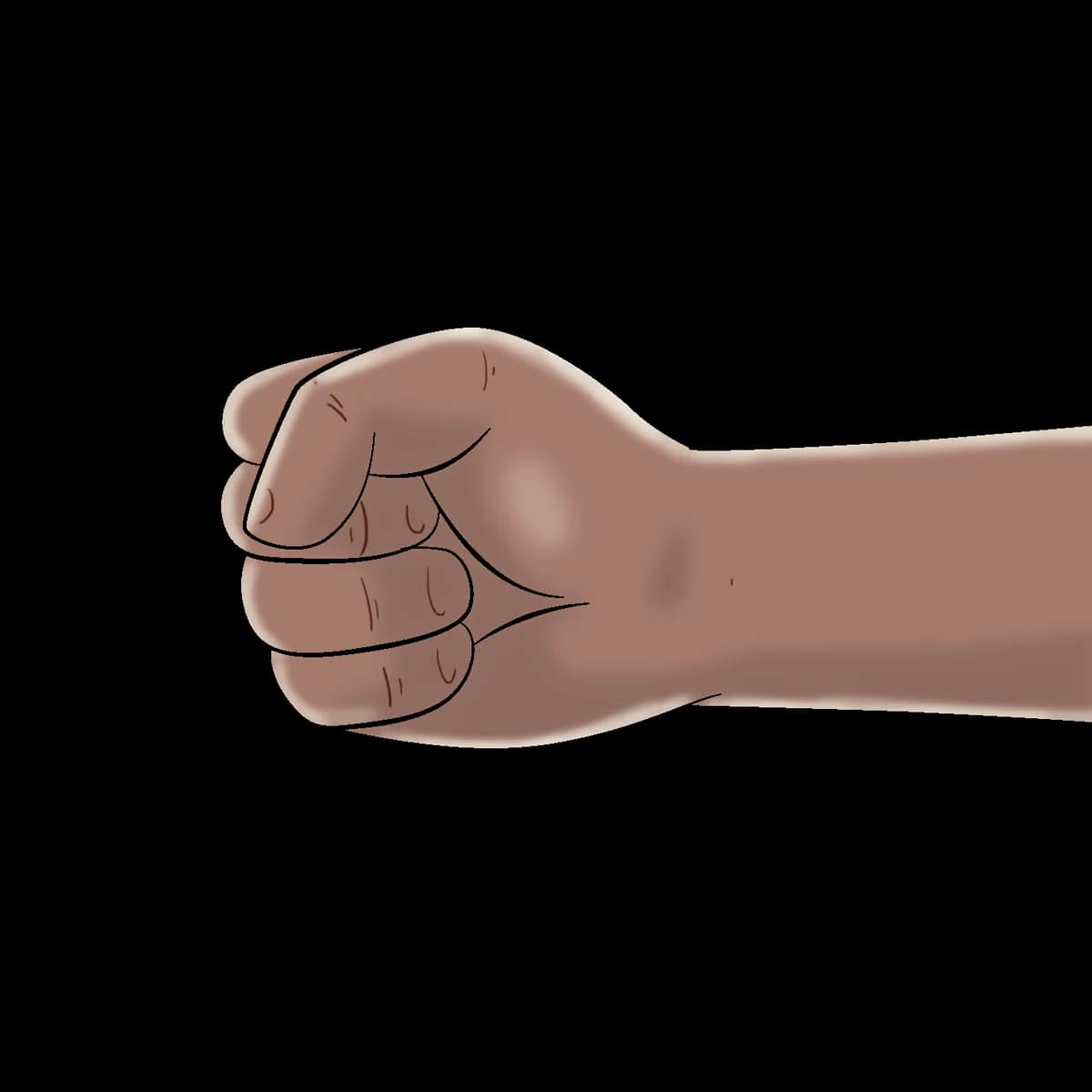 Sasso
Sasso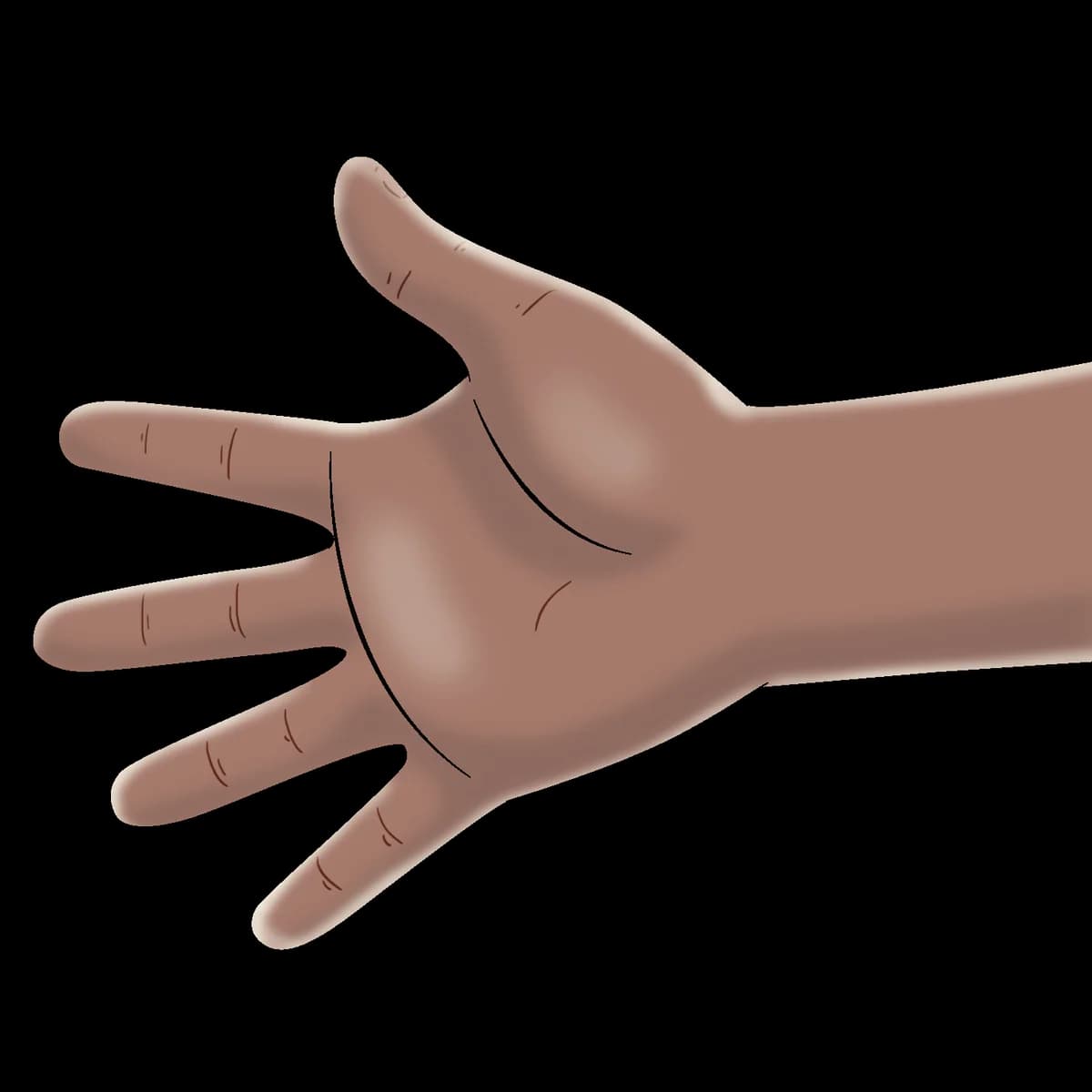 Carta
Carta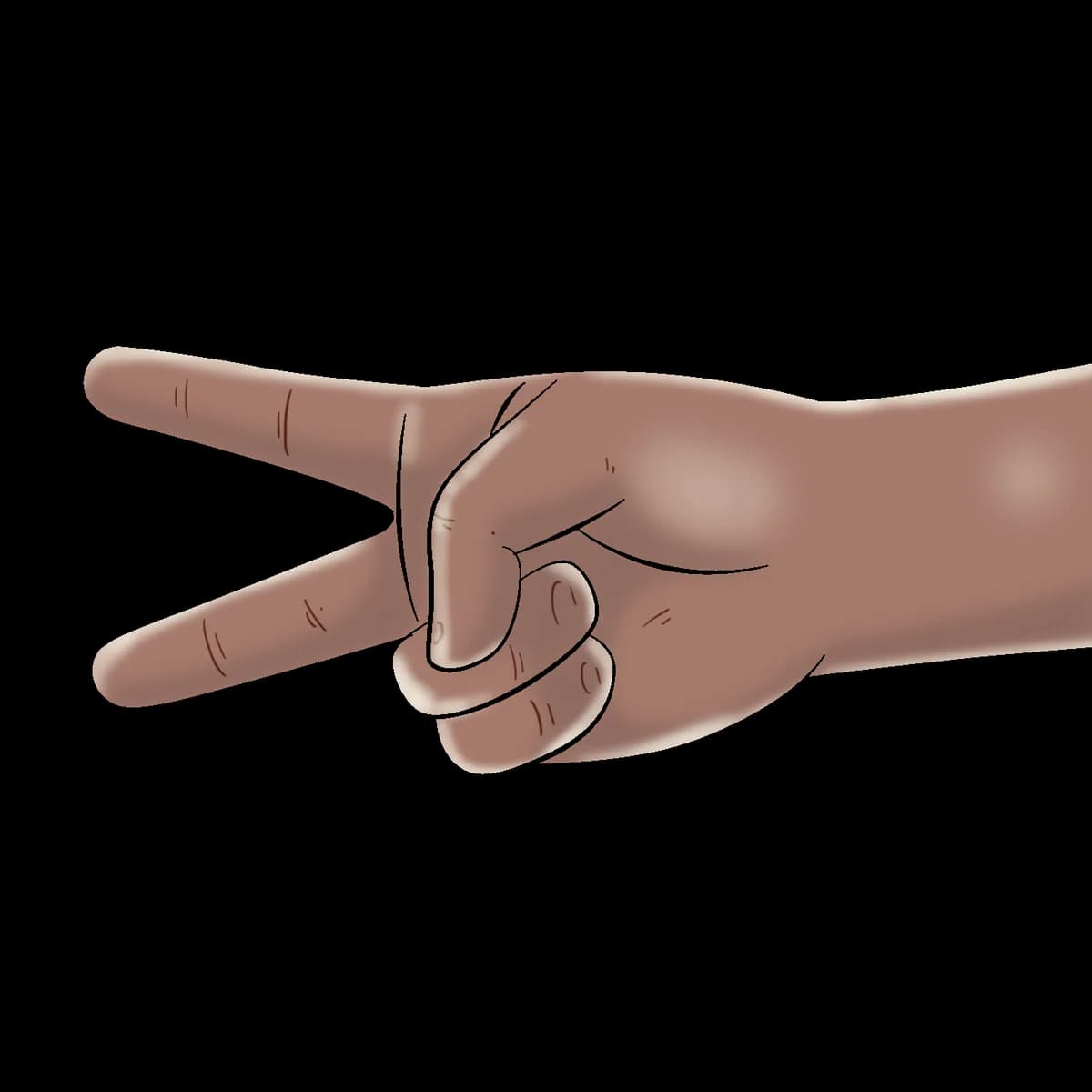 Forbici
Risposta breve
La Carta batte il Sasso perché questo è uno dei lati del ciclo di regole classico a tre azioni. “La carta copre il sasso” è l'espediente mnemonico abituale, ma le fonti esaminate non stabiliscono un'unica ragione storica o filosofica per questa scelta. In un gioco classico bilanciato, ogni azione deve batterne una e perdere contro una; cambiare solo il risultato Carta–Sasso romperebbe questa simmetria.
La regola è chiara. Le storie popolari sulla sua origine sono molto meno certe.

Affrontiamo l'elefante nella stanza
Una pietra lanciata potrebbe strappare o schiacciare un foglio di carta. Questa osservazione fisica è irrilevante per la regola: il Sasso Carta Forbice assegna esiti ai gesti anziché simulare cosa farebbero gli oggetti nel mondo reale.
La risposta difendibile viene dalla regola pubblicata e dalla struttura del gioco. Le storie simboliche possono essere memorabili, ma non vanno presentate come storia accertata.
“La carta copre il sasso” è l'espediente mnemonico della regola
Le regole WRPSA enunciano il rapporto in modo semplice: la Carta copre il Sasso. “Copre” aiuta i giocatori a ricordare l'esito. Non significa che il gioco modelli uno scontro fisico tra un foglio di carta e una pietra.
La ricerca storica documenta giochi di mano cinesi e giapponesi più antichi e la successiva forma a tre gesti, ma le fonti esaminate per questa pagina non identificano un inventore documentato né una spiegazione originale per l'abbinamento Carta–Sasso.
Il motivo di game design (ovvero: la matematica)
Dal punto di vista della pura teoria dei giochi non conta affatto cosa batte cosa. Conta che il ciclo sia non transitivo:
- A batte B
- B batte C
- C batte A
Con una scelta uniforme e indipendente, ogni gesto classico vince, perde e pareggia con probabilità 1/3. L'equilibrio dipende da tutti e tre i risultati orientati insieme. Se si invertisse solo il risultato Carta–Sasso, il Sasso batterebbe entrambe le alternative e la simmetria classica scomparirebbe.
Cosa la storia può e non può dirci
Le spiegazioni moderne interpretano talvolta la Carta come conoscenza, decreto o burocrazia che prevale sulla forza. Possono funzionare come metafore attuali, ma le fonti storiche esaminate qui non fanno risalire la regola a un ministro che scavalca un generale né a una dottrina filosofica precisa.
Per questo la WRPSA etichetta queste spiegazioni come interpretazioni, non come l'origine documentata della regola.
Il “SCF” ecologico non spiega la regola
I ricercatori usano talvolta il Sasso Carta Forbice come analogia matematica per le relazioni ecologiche non transitive. Questi studi mostrano perché i cicli possono essere modelli utili; non mostrano perché il gioco di mano abbia stabilito che la Carta batte il Sasso.
La risposta supportata dalle prove
La Carta batte il Sasso perché le regole le assegnano questo risultato, ricordato con la frase “la carta copre il sasso”. L'assegnazione completa un ciclo bilanciato a tre vie. Nessuna fonte esaminata stabilisce come origine storica le note storie sulla burocrazia, sulle arti marziali o sulla “filosofia orientale”.
Usa le regole ufficiali per gli esiti dei match e la guida alla strategia per un'analisi competitiva onesta.
01 / Il gioco
- 3Mosse
- 3Esiti
- 9Abbinamenti

02 / Gioca