
Impara
La scienza del Sasso Carta Forbice
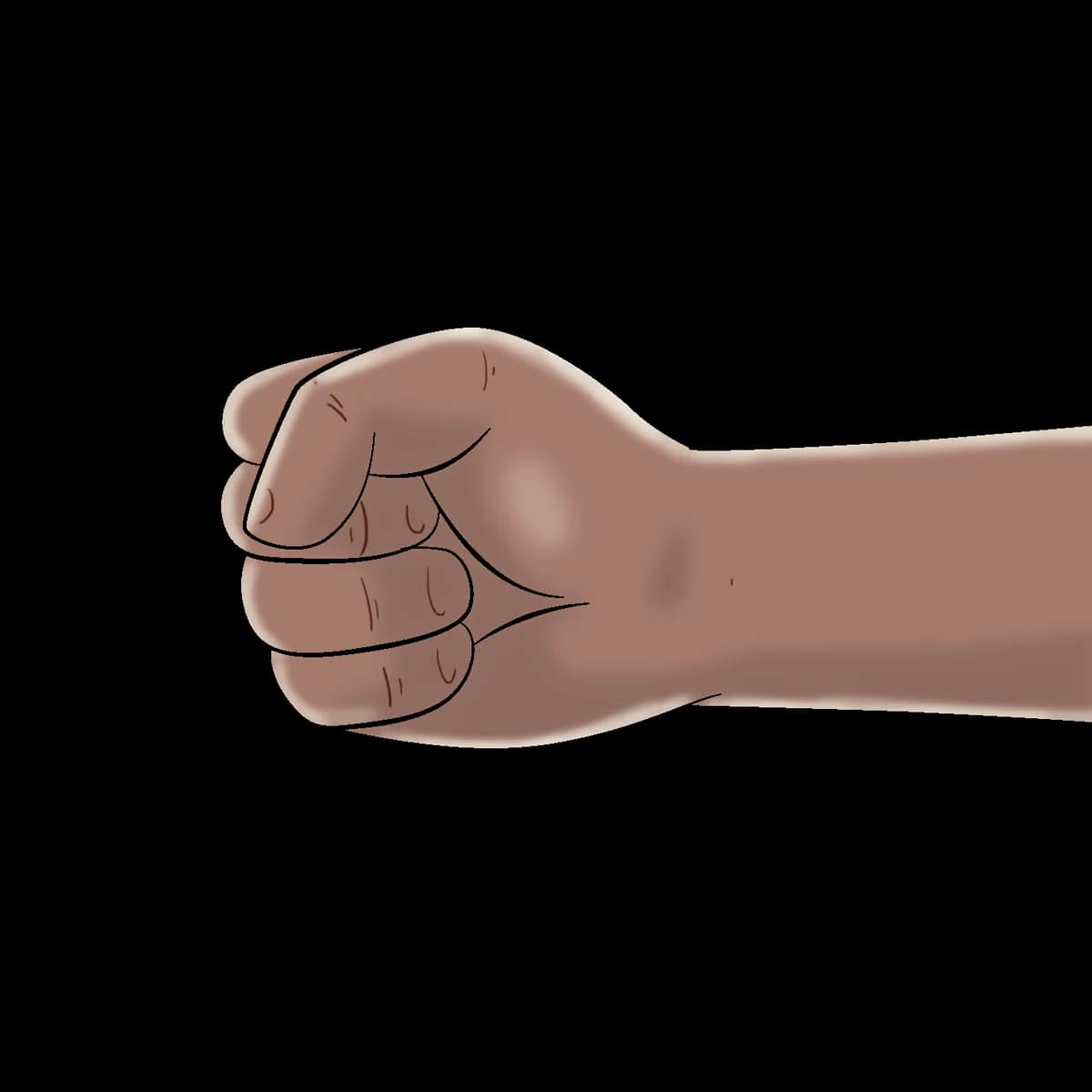 Sasso
Sasso Carta
Carta Forbici
Risposta breve
I ricercatori usano il Sasso Carta Forbice per studiare strategie miste, risposte condizionate e competizione non transitiva. Un esperimento del 2014 ha seguito 360 studenti in sessanta gruppi da sei per 300 round; un esperimento separato del 2016 ha testato 31 studenti universitari contro un computer casuale uniforme. Entrambi riportano comportamenti specifici del protocollo, non un metodo universale per prevedere una persona. Gli articoli di ecologia usano “sasso-carta-forbice” come analogia per la competizione ciclica, mentre il robot dell'Università di Tokyo vince reagendo dopo l'inizio del movimento anziché prevedere una scelta.
Cosa hanno misurato gli studi controllati sul SCF, quali popolazioni hanno testato e dove finisce l'analogia.

Sì, è un campo di studio vero
Il Sasso Carta Forbice offre ai ricercatori un gioco compatto a tre azioni con una chiara base di riferimento in strategie miste. Gli articoli esaminati qui pongono domande diverse usando popolazioni e protocolli diversi, quindi i loro risultati non vanno combinati in un'unica affermazione secondo cui tutte le persone si comportano allo stesso modo.
Lo studio della Zhejiang University (2014)
Wang, Xu e Zhou hanno assegnato 360 studenti della Zhejiang University a sessanta gruppi da sei. I partecipanti hanno giocato 300 round con accoppiamenti casuali all'interno del proprio gruppo e incentivi in denaro legati ai risultati.
- Dopo le vittorie: le misurazioni di risposta condizionata riportate e il modello includevano una tendenza a ripetere un'azione dopo aver vinto.
- Dopo le sconfitte: le probabilità di transizione aggregate erano coerenti con spostamenti ciclici nella popolazione dello studio.
- Dopo i pareggi: l'articolo riporta transizioni condizionate all'esito; non le attribuisce alla noia o ad altre emozioni non misurate.
Gli autori hanno usato la risposta condizionata per spiegare il ciclo a livello di popolazione nonostante frequenze aggregate delle azioni quasi uguali. Questo risultato appartiene a questo esperimento e non rivela la prossima mossa di un determinato avversario senza una successiva validazione specifica per quell'avversario.
Wang, Xu & Zhou (2014), Scientific Reports, doi:10.1038/srep05830
Biologia evolutiva
I biologi usano il ciclo del SCF anche come descrizione matematica della competizione non transitiva. Questi organismi non stanno giocando al gioco di mano:
- Lucertole dalle macchie laterali: Sinervo e Lively hanno seguito tre strategie di morfotipi maschili per più anni e hanno descritto cicli dipendenti dalla frequenza usando un modello SCF.
- Sistema microbico: Kerr e colleghi hanno testato ceppi batterici produttori di tossine, sensibili alle tossine e resistenti alle tossine. La dispersione locale ha contribuito a mantenere la diversità nel loro sistema sperimentale.
Questi studi mostrano che la dominanza ciclica può aiutare a spiegare la coesistenza in condizioni ecologiche dichiarate. Non stabiliscono una legge universale della natura né forniscono prove sul comportamento umano nel gioco di mano.
Intelligenza artificiale
La macchina meglio documentata in questa pagina mostra la differenza tra previsione e reazione:
- Il robot del janken dell'Università di Tokyo: un sistema di visione ad alta velocità riconosce la mano umana mentre si forma e produce il gesto vincente. Il laboratorio descrive una percentuale di vittorie del 100%; poiché il sistema risponde dopo l'inizio del movimento, si tratta di una dimostrazione di reazione e non della prova che un modello abbia previsto una scelta non ancora rivelata.
University of Tokyo Ishikawa Group: Janken robot project
Neuroscienze
Kikuchi e colleghi hanno usato la spettroscopia nel vicino infrarosso in un compito SCF modificato di tipo vincere contro perdere, con 15 volontari sani. L'articolo riporta misurazioni prefrontali per quel compito; non dimostra che le mosse ordinarie si possano decodificare dal linguaggio del corpo né che ogni decisione nel SCF attivi un elenco fisso di aree cerebrali.
Kikuchi et al. (2007): prefrontal activity during a 15-person RPS task
Uso nella didattica: gli esperimenti citati possono supportare lezioni su disegno sperimentale, limiti del campione, probabilità e teoria dei giochi, purché gli studenti tengano il gioco di mano separato dalle analogie ecologiche.
01 / Il gioco
- 3Mosse
- 3Esiti
- 9Abbinamenti

02 / Gioca