
Impara
Cosa significa Sasso Carta Forbice?
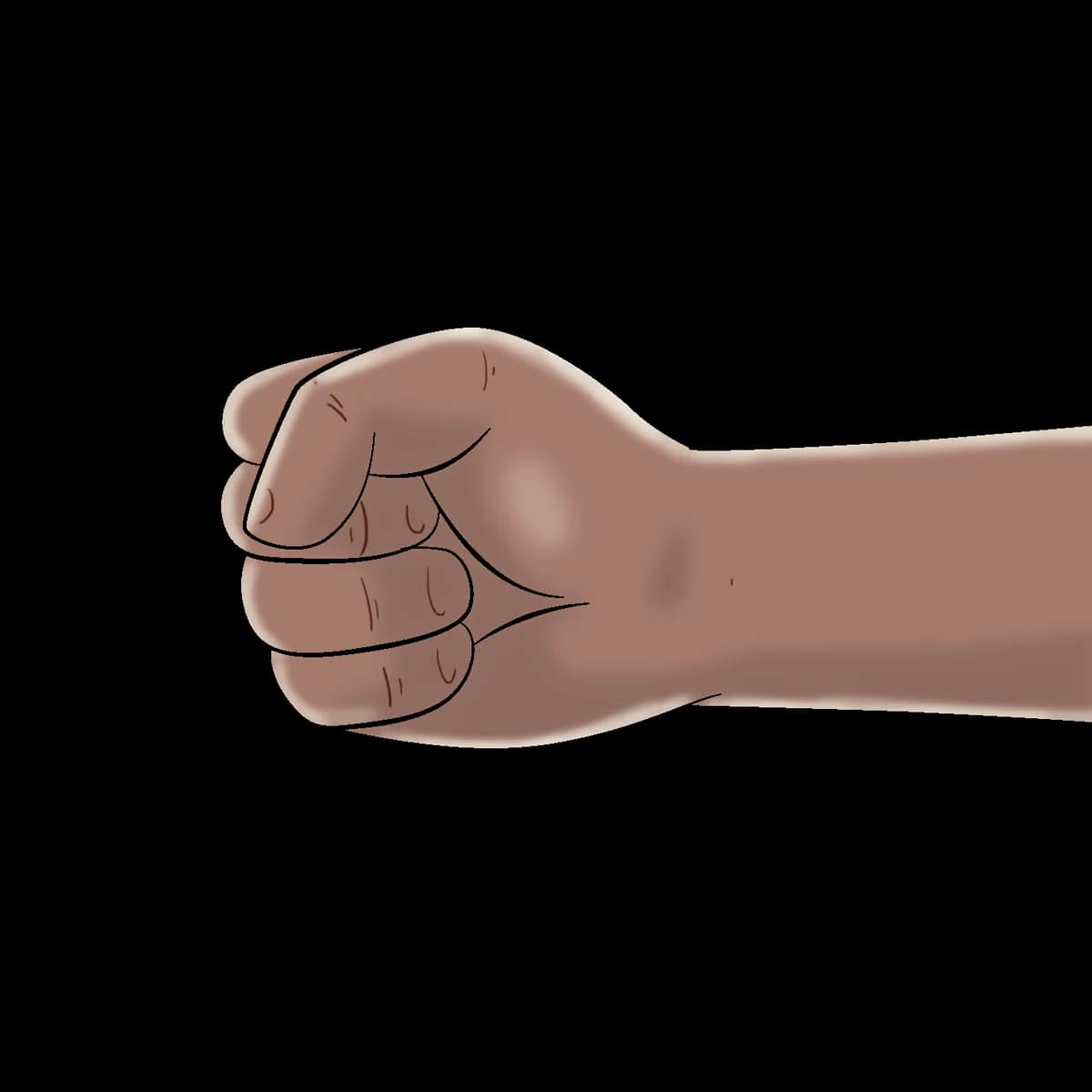 Sasso
Sasso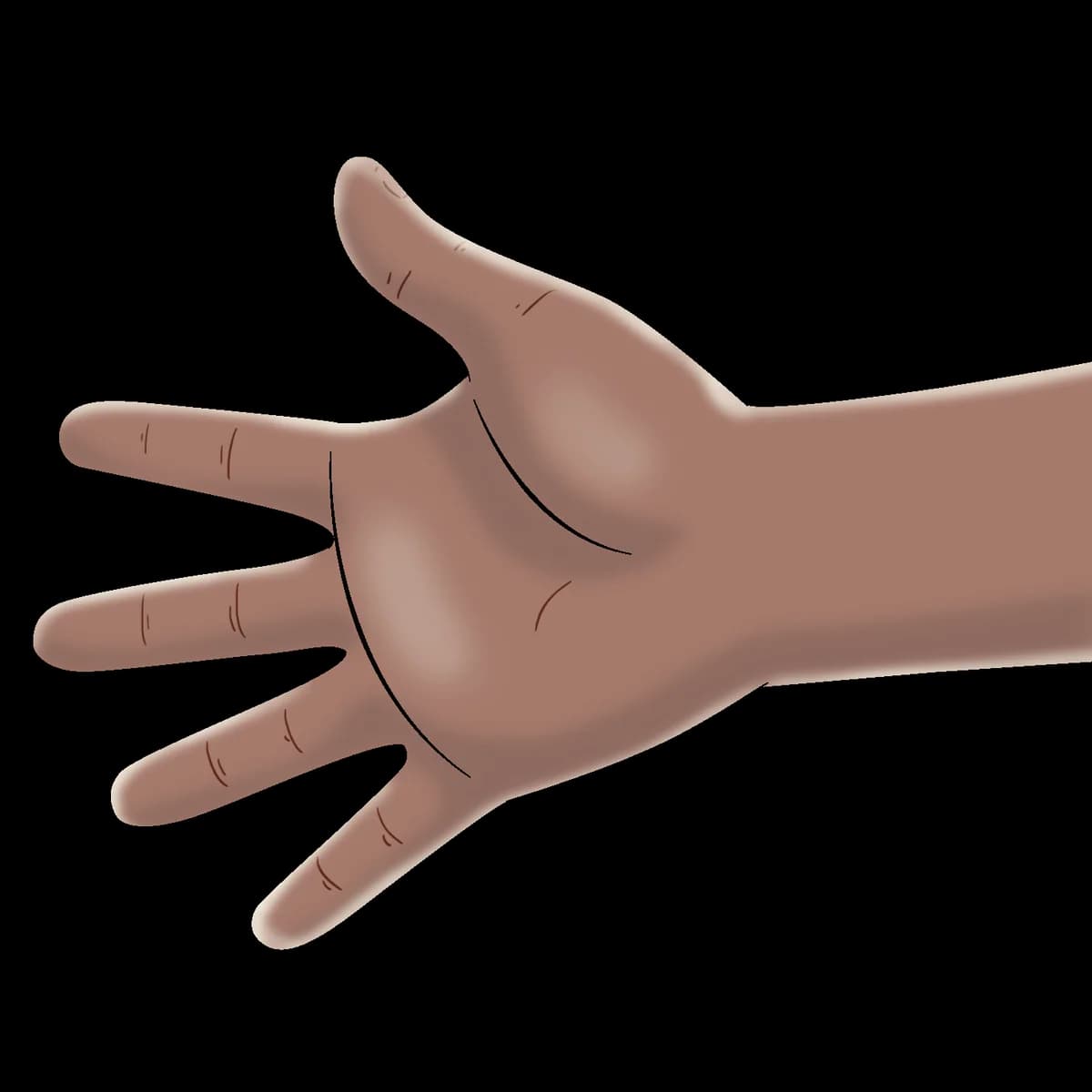 Carta
Carta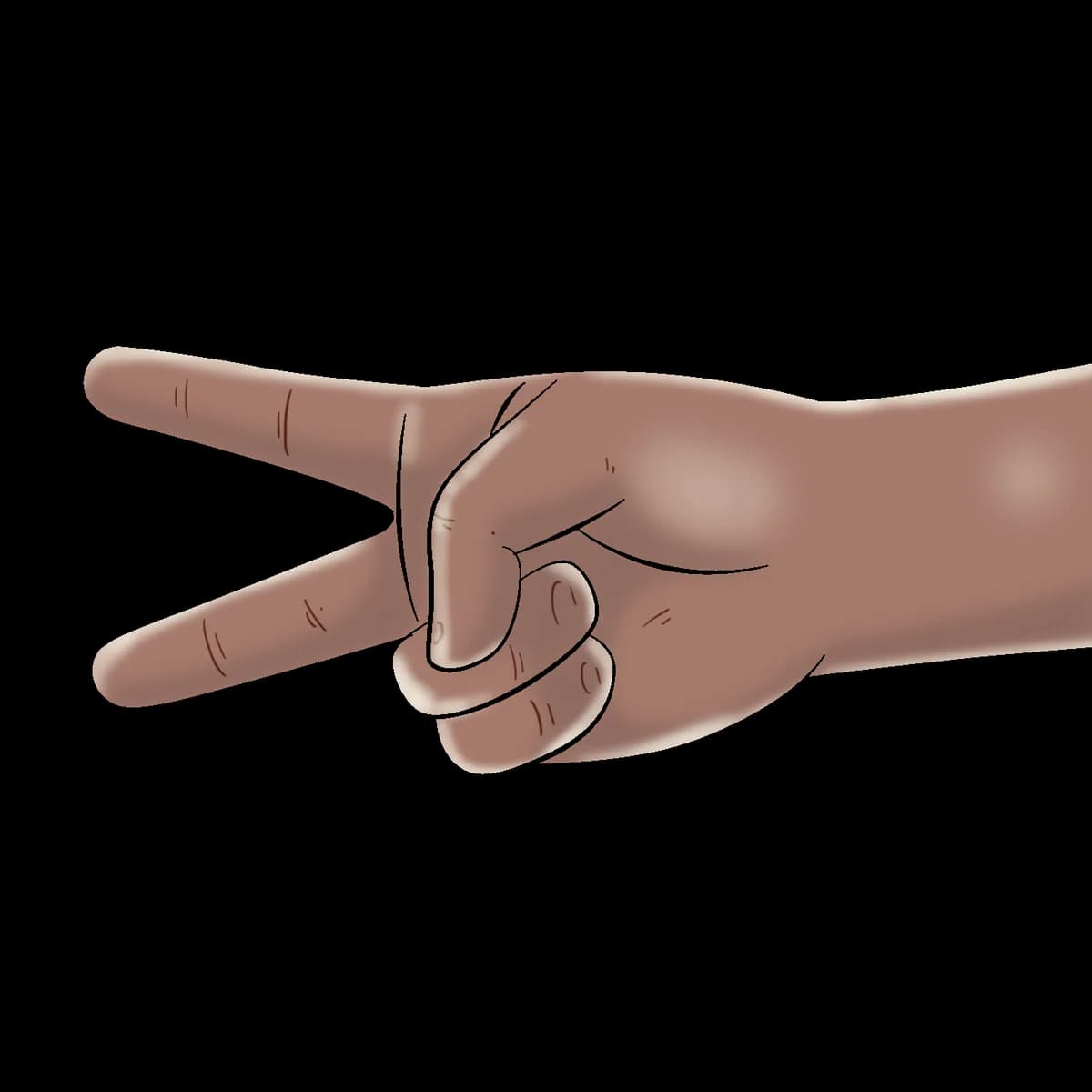 Forbici
Risposta breve
Il Sasso Carta Forbice è un gioco decisionale simmetrico: ogni giocatore sceglie uno dei tre gesti, ogni gesto ne batte uno e perde contro uno, e una rivelazione simultanea impedisce a entrambi di rispondere dopo aver visto la scelta dell'altro. Si possono attribuire ai gesti significati come forza, moderazione o precisione, ma sono interpretazioni e non origini accertate. Nella competizione ripetuta, la sfida pratica è prendere decisioni in condizioni di incertezza.
Le regole sono documentate; il simbolismo è interpretazione. Ecco come distinguere le due cose.
In superficie
Alla lettera, il Sasso Carta Forbice è un gioco di gesti a somma zero. Due giocatori tirano simultaneamente una di tre forme: pugno (Sasso), mano piatta (Carta) o indice e medio tesi (Forbice). Il Sasso stritola la Forbice, la Forbice taglia la Carta, la Carta ricopre il Sasso. Il regolamento è tutto qui. Lo impari in quattro secondi.
Il gioco moderno a tre gesti ha una storia documentata, ma le fonti superstiti non stabiliscono una storia ininterrotta di duemila anni né un'adozione indipendente da parte di ogni cultura.
Il simbolismo di ogni gesto
Sasso
Nel commento moderno un pugno chiuso può suggerire forza o resistenza. È una metafora utile, non un risultato della ricerca sulle prime mosse, sul genere o su un significato storicamente fisso del Sasso.
Carta
Una mano aperta può suggerire contenimento, accordo, scrittura o autorità. La storia popolare secondo cui un decreto scritto spiegherebbe perché la Carta batte il Sasso è un'interpretazione; le fonti storiche esaminate non la stabiliscono come origine della regola.
Forbice
Due dita tese possono suggerire taglio, precisione o abilità artigianale. Queste associazioni non dimostrano che la Forbice sia intrinsecamente rischiosa né che le persone la scelgano per una ragione psicologica condivisa.
Il principio più profondo: la non transitività
La struttura formale del gioco è una dominanza non transitiva: il Sasso batte la Forbice, la Forbice batte la Carta e la Carta batte il Sasso. Nessuna azione pura è la più forte contro tutte le altre.
Gli articoli di ecologia usano talvolta “sasso-carta-forbice” per indicare la competizione ciclica tra specie o strategie. È un'analogia matematica con condizioni esplicite, non la prova che il gioco di mano esprima una filosofia naturale universale.
Il SCF come meccanismo di equità
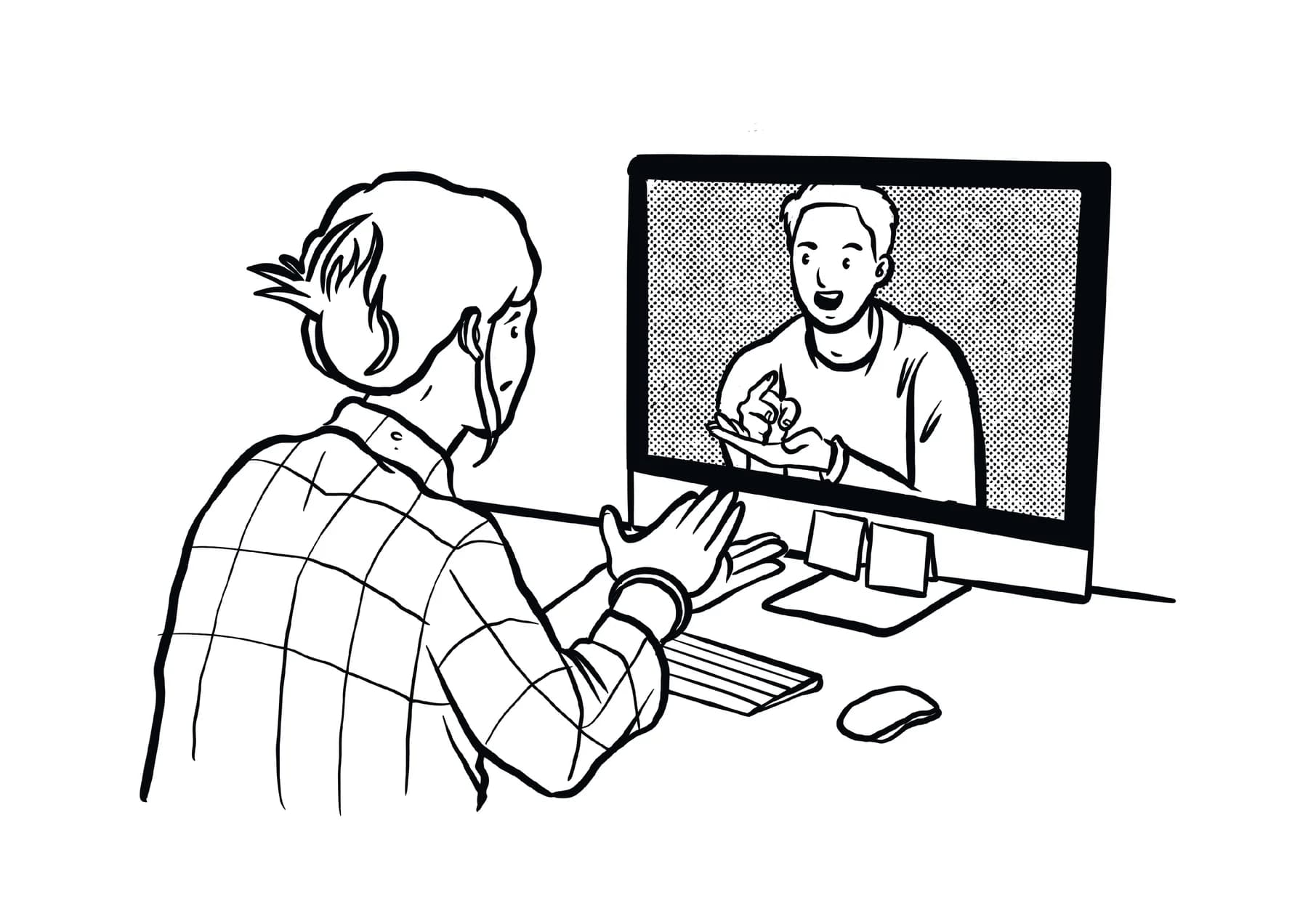
Secondo le regole standard, entrambi i giocatori hanno le stesse tre azioni e la stessa struttura dei payoff. Una procedura equa richiede anche una cadenza condivisa, una rivelazione simultanea, un giudizio coerente e nessuna possibilità di reagire dopo aver visto il gesto dell'altro.
Questa simmetria rende il SCF utilizzabile come spareggio accettato da entrambe le parti, compresi esempi documentati di aste e tribunali. Non rende casuale un match breve né garantisce che due persone percepiscano ogni esito come equo. La teoria dei giochi descrive la base in strategie miste uniformi sotto ipotesi di payoff dichiarate.
Significato culturale
Il gioco moderno è conosciuto con diversi nomi documentati e formule. Questo elenco fornisce esempi, senza affermare un'adozione esaustiva o indipendente da parte di ogni cultura:
- Jan-ken (Giappone)
- Kai bai bo (Corea)
- Piedra, papel o tijera (mondo di lingua spagnola)
- Pierre, papier, ciseaux (Francia)
- Schnick, Schnack, Schnuck (Germania)
- Muk-jji-ppa (Corea, il gioco che segue)
- Roshambo (Stati Uniti occidentali)
Le meccaniche condivise tra questi nomi rendono possibile giocare tra lingue diverse, una volta che i giocatori concordano gesti e cadenza. Le fonti storiche non giustificano l'uso di questa diffusione come prova di un unico significato umano universale.
Cosa significa nel gioco competitivo
Nella competizione ripetuta, i giocatori possono registrare gli esiti, definire un'ipotesi specifica sull'avversario e testarla sulle mosse successive. Le pagine su tell, bluff, psicologia e il catalogo delle sequenze indicano quali idee sono misurate, speculative o editoriali.
Il SCF competitivo è un piccolo problema decisionale in condizioni di incertezza. Le affermazioni sull'abilità richiedono un confronto esplicito, abbastanza osservazioni successive e un conteggio completo di vittorie, sconfitte e pareggi; una lettura o una sequenza memorabile non è di per sé una prova.
01 / Il gioco
- 3Mosse
- 3Esiti
- 9Abbinamenti

02 / Gioca