
Impara
Leggere i tell a Sasso Carta Forbice
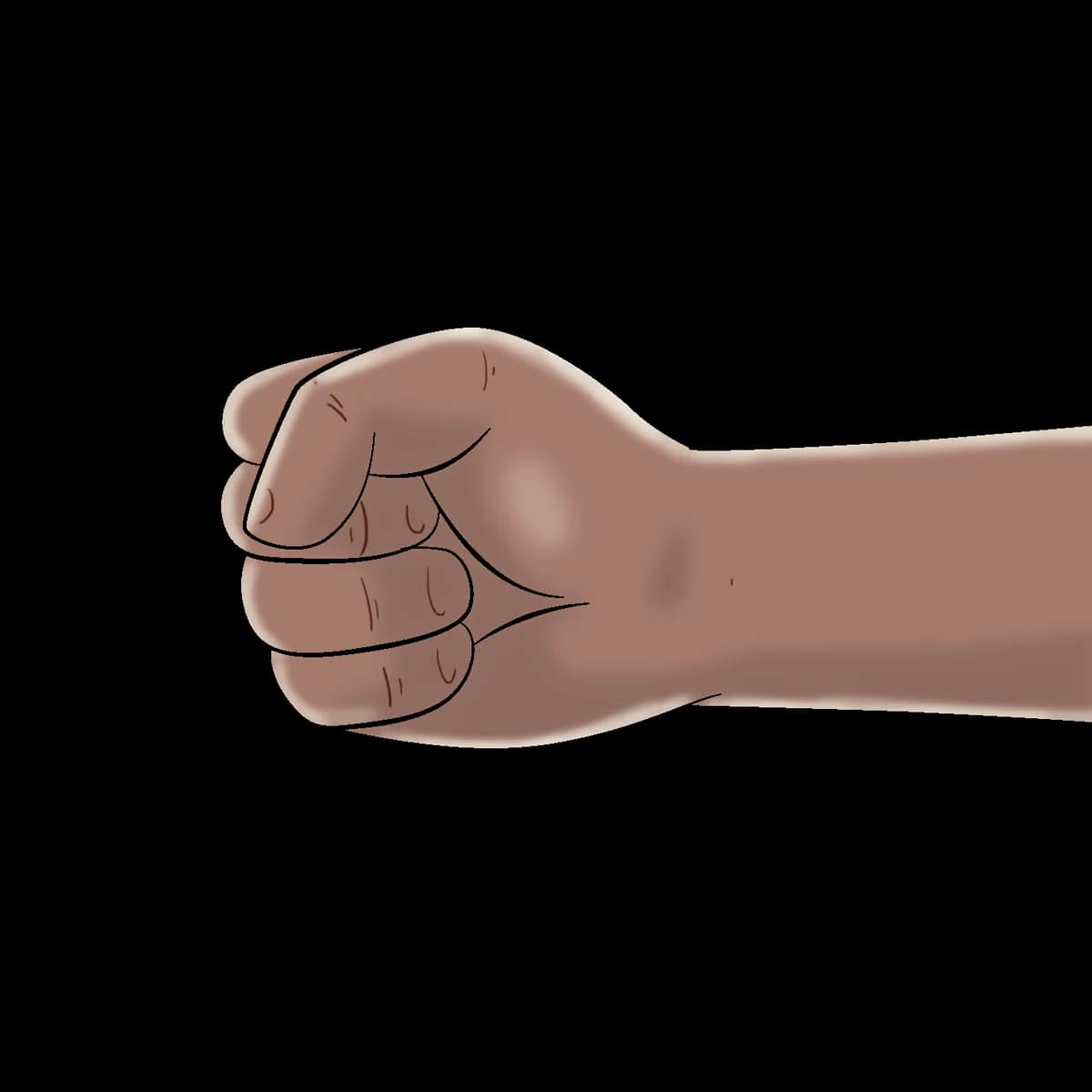 Sasso
Sasso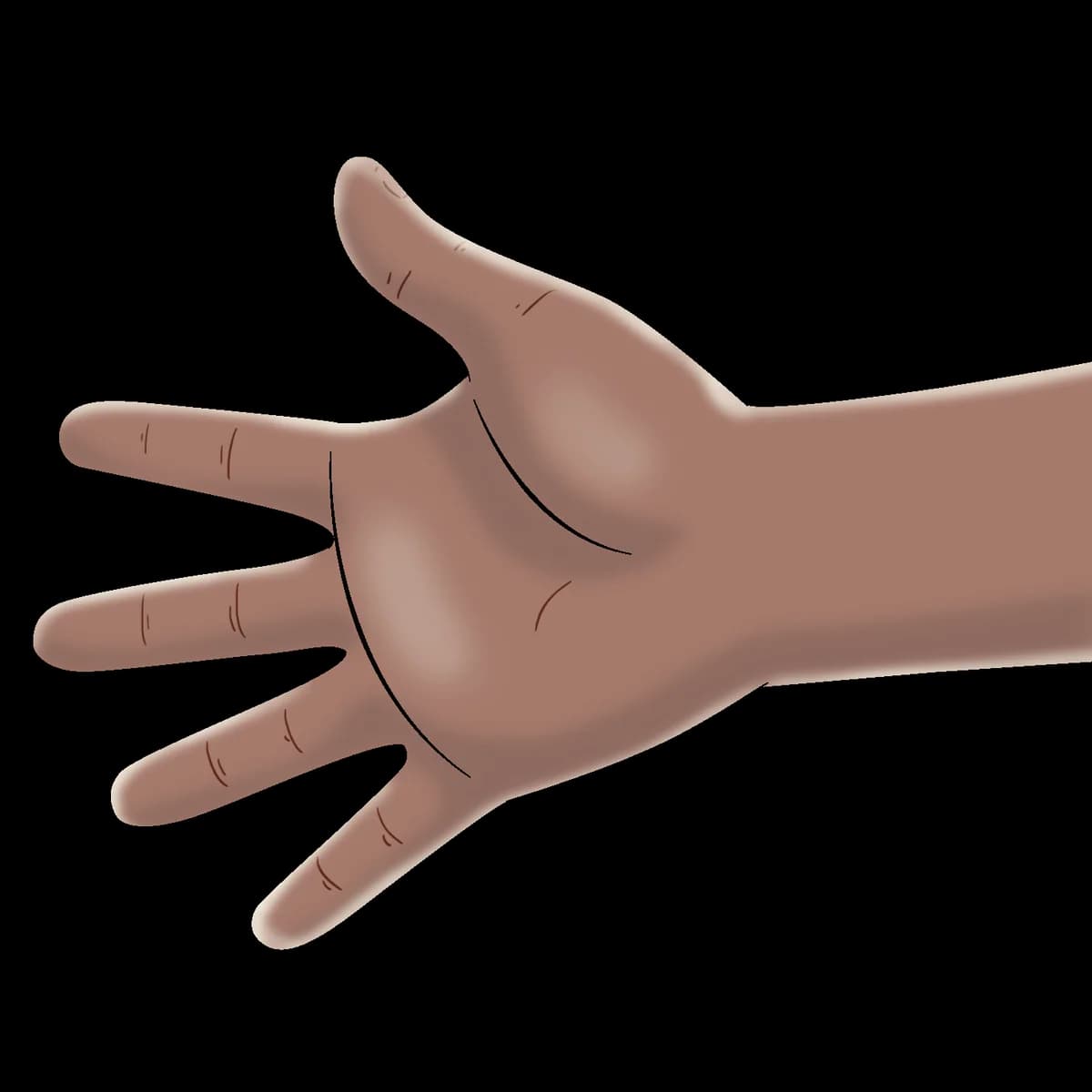 Carta
Carta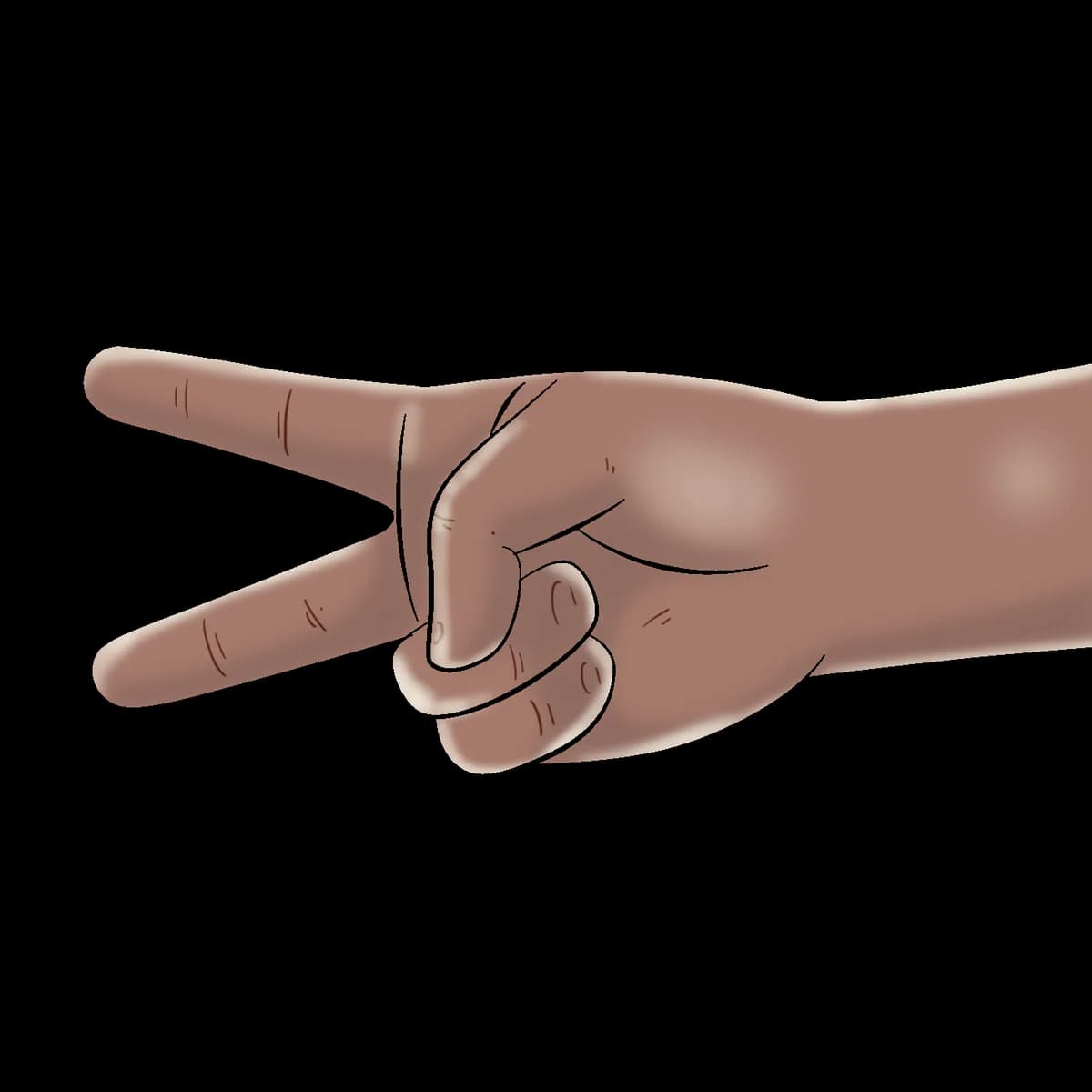 Forbici
Risposta breve
Un “tell” è un indizio osservabile proposto che predice una mossa prima della rivelazione valida. La WRPSA non ha trovato prove primarie a sostegno di regole universali su dita, polso, volto, respiro o voce del tipo elencato in precedenza qui. Uno studio controllato faccia a faccia ha riportato un'imitazione automatica del gesto, ma quel risultato non convalida questi tell specifici né stabilisce una previsione per ogni match. Definisci un indizio prima di osservare l'esito, tienilo separato da una rivelazione tardiva irregolare e misura in seguito la sua percentuale di successi ed errori.
Un indizio è un'ipotesi. Registralo prima della rivelazione e conta ogni errore.

Che cosa conterebbe come tell?
Un tell è un indizio osservato prima della rivelazione valida che predice il gesto successivo dell'avversario meglio di una base di riferimento dichiarata. L'indizio, la finestra di osservazione, il gesto previsto, il confronto e la regola di valutazione devono essere definiti prima che l'esito sia noto.
Cook et al. hanno riportato un'imitazione automatica in un disegno SCF controllato che confrontava giocatori vedenti e bendati. Quel risultato riguarda la compatibilità visuo-motoria nel suo protocollo; non dimostra che l'angolo del polso, lo sguardo, il respiro, la voce o un movimento del volto identifichino in modo affidabile una mossa intenzionale. Tratta ogni indizio proposto come un nuovo test e tieni visibile la base di riferimento della strategia.
Un test prospettico
Usa una semplice procedura registrata in anticipo prima di fare affidamento su qualsiasi indizio:
- Definiscilo: scrivi prima di iniziare a giocare l'indizio visibile esatto, la sua finestra di osservazione e l'unico gesto che predice.
- Separa i tempi: un indizio deve verificarsi prima della rivelazione simultanea valida. Vedere una mano che si forma e rispondere in ritardo è una violazione delle regole, non abilità.
- Valutalo: conta ogni previsione, successo, errore, pareggio e round non valutabile; confronta le osservazioni successive con una base uniforme o con le frequenze empiriche.
Mantieni la rivelazione corretta e coerente
Una meccanica coerente riduce le informazioni involontarie e rende più facile giudicare il gioco simultaneo:
- Usa la cadenza pubblicata e rivela sempre sullo stesso battito.
- Tieni la mano nella posizione neutra richiesta prima della rivelazione.
- Usa un gesto finale chiaro e accessibile e mantienilo abbastanza a lungo da poter essere giudicato.
- Non cambiare decisione dopo aver visto la mano dell'avversario mentre si forma o già formata.
- Se una limitazione fisica incide su un gesto, concordate l’equivalente accessibile prima di giocare.
Ma è consentito?
Osservare la condotta nel rispetto delle regole dell'evento è diverso dal ritardare una mossa per ottenere informazioni. Il match resta valido solo quando entrambi i giocatori rivelano secondo la stessa regola sui tempi.
Una risposta data dopo aver visto la mossa dell'avversario mentre si forma o già completata è una mossa fuori tempo, non la lettura di un tell. Vedi le regole ufficiali. Le dichiarazioni o i segnali deliberati rientrano nelle regole di condotta dell'evento e sono trattati con cautela nella guida al bluff.
01 / Il gioco
- 3Mosse
- 3Esiti
- 9Abbinamenti

02 / Gioca