Impara
Domande frequenti
 Sasso
Sasso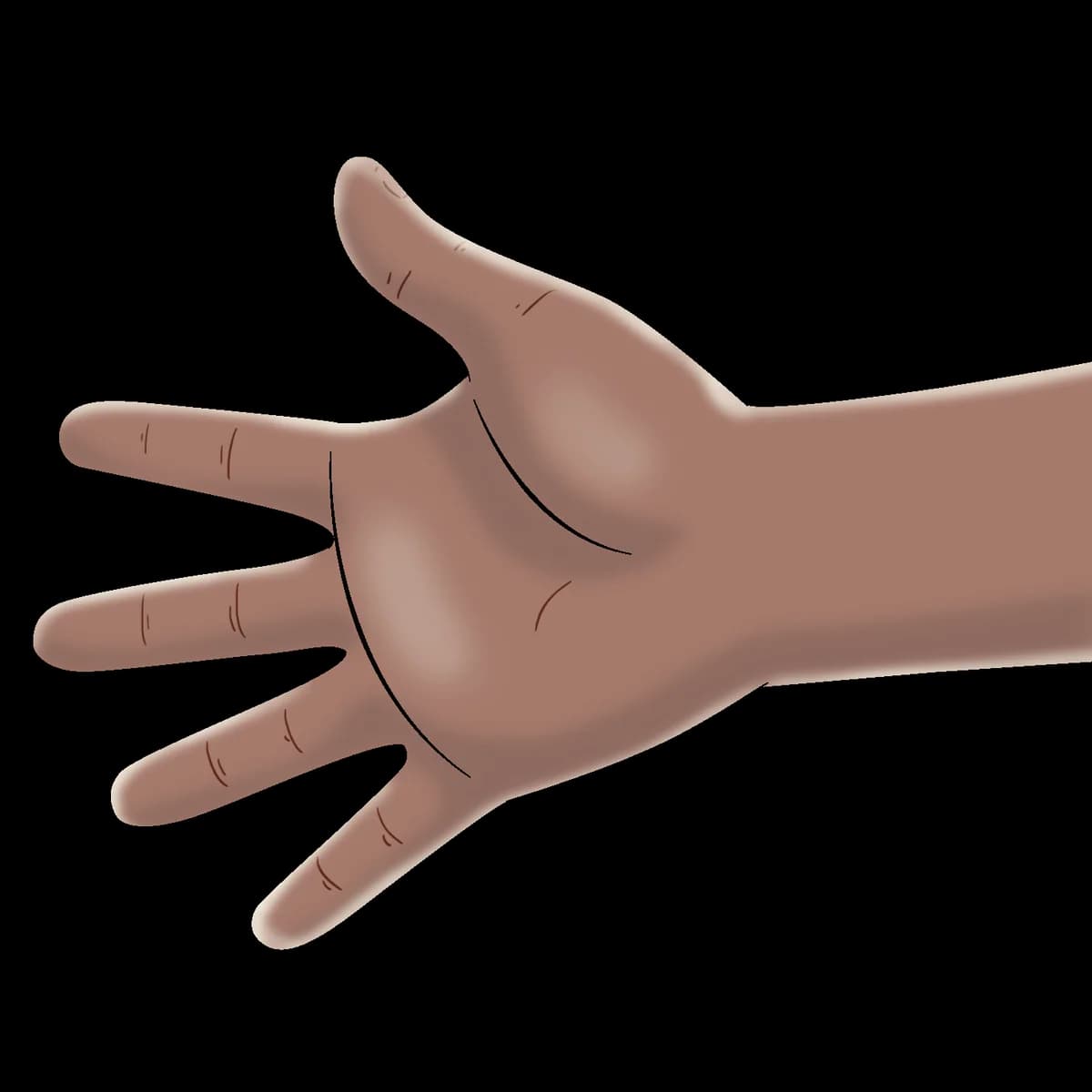 Carta
Carta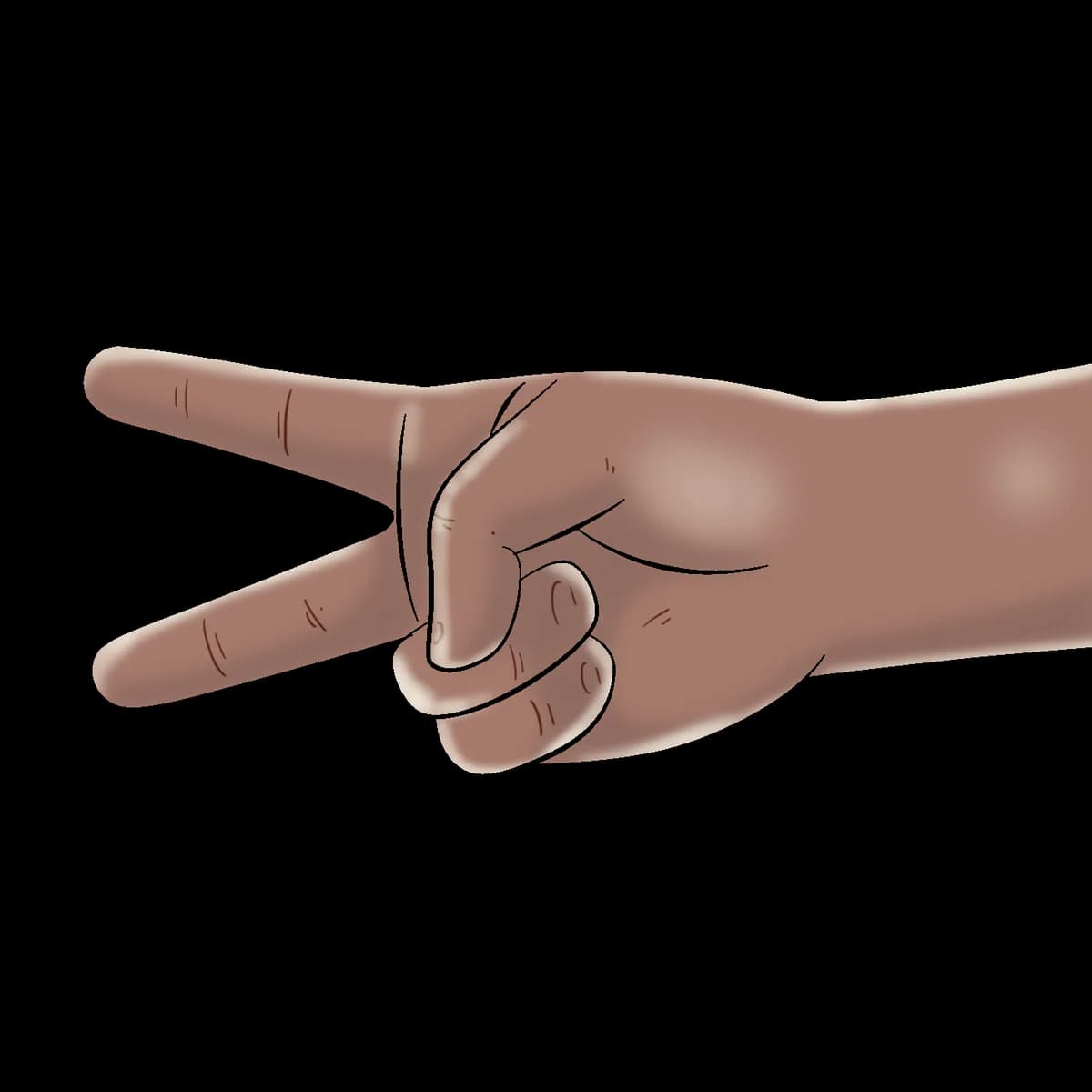 Forbici
Risposta breve
Il Sasso Carta Forbice usa tre gesti e una regola ciclica: Sasso batte Forbice, Forbice batte Carta e Carta batte Sasso. Non esiste un'apertura universalmente più forte. La randomizzazione indipendente ed equiprobabile è il riferimento non sfruttabile; gli studi sul gioco ripetuto hanno riscontrato comportamenti condizionati in specifici contesti di laboratorio, ma quei risultati non identificano la prossima mossa di ogni persona. Queste FAQ collegano ogni risposta storica, matematica, strategica e sul prodotto alla pagina mantenuta che ne è responsabile.
Quali sono le regole del Sasso Carta Forbice?
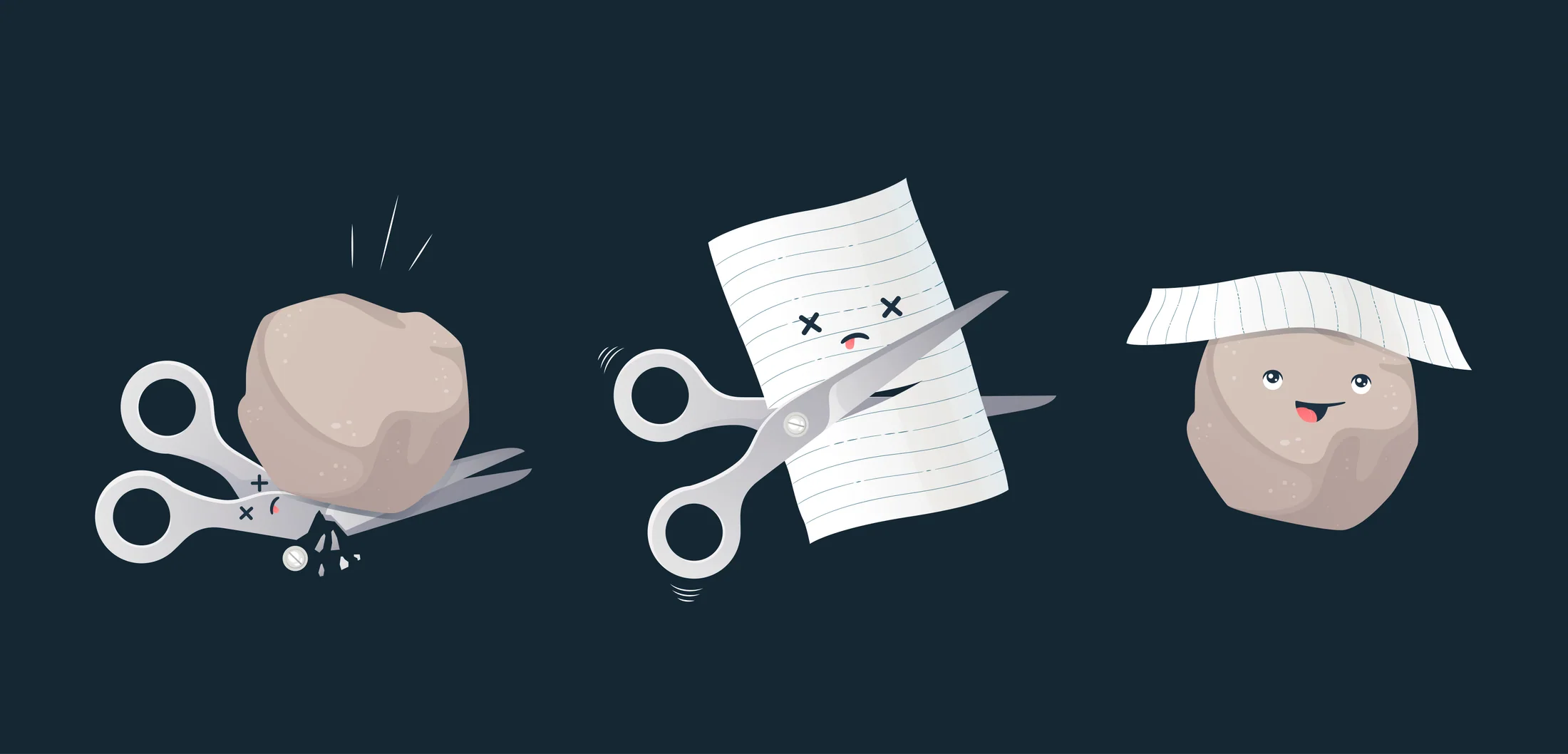
Quali sono le regole del Sasso Carta Forbice?
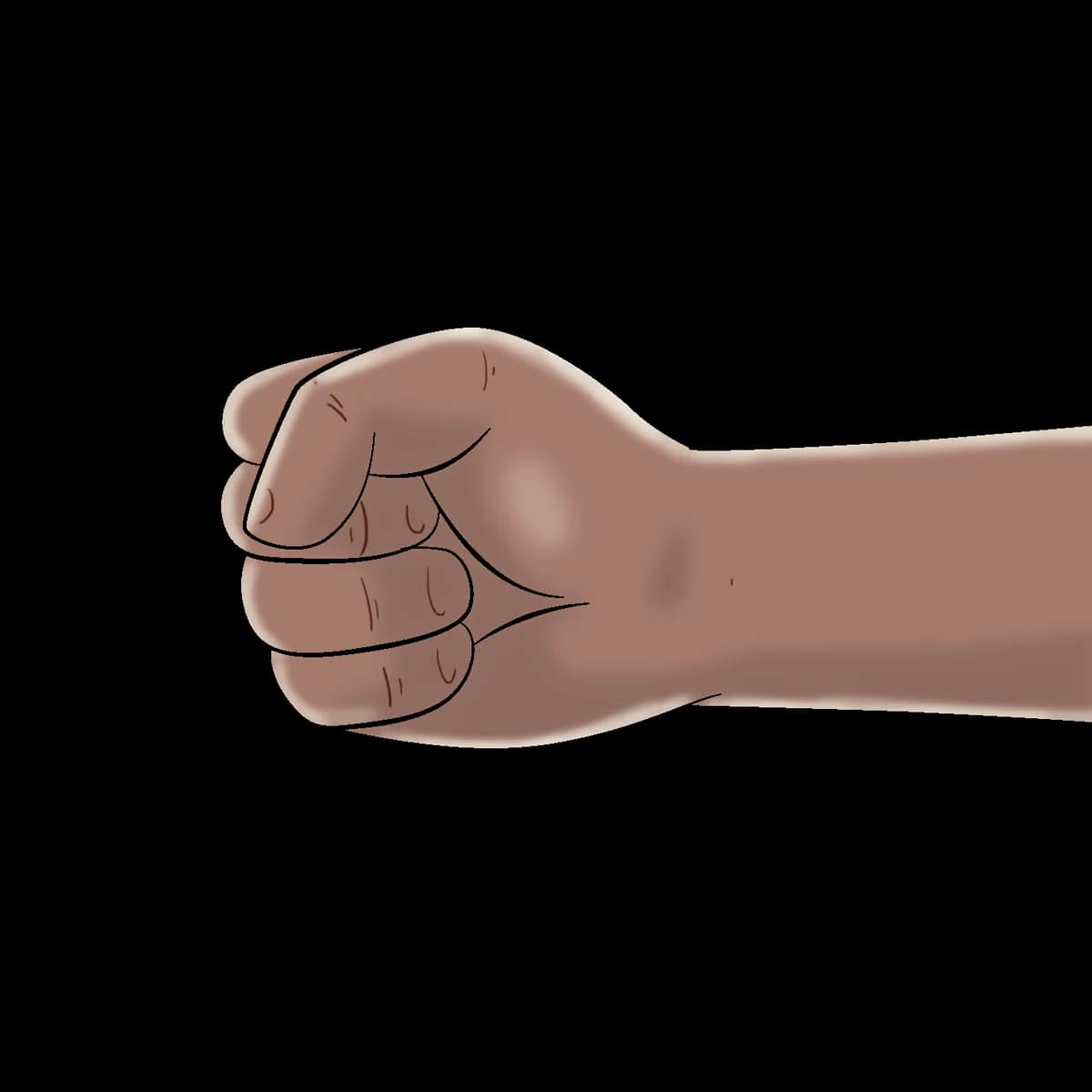
Sasso batte Forbice, Forbice batte Carta, Carta batte Sasso. Due giocatori rivelano simultaneamente uno di tre gesti: pugno (Sasso), mano aperta (Carta), due dita (Forbice). Stesso gesto significa pareggio e si ripete. Il gioco è tutto qui. Lo impari in dieci secondi e puoi passare una vita a padroneggiarlo.
Sasso Carta Forbice è fortuna o abilità?
Una singola mossa contiene una componente di caso sostanziale. Su mosse ripetute e comparabili, un giocatore può ottenere un valore atteso positivo se l'avversario ha un bias stabile e misurabile e la contro-strategia si adatta prima che quel bias cambi. WRPSA non deduce l'abilità da una singola mossa né sostiene che gli effetti di laboratorio garantiscano un vantaggio nei tornei.
Cos'è il Roshambo?
"Roshambo" è semplicemente un altro nome del Sasso Carta Forbice, molto usato negli Stati Uniti. L'origine è dibattuta: qualcuno la fa risalire al conte di Rochambeau, un generale francese. Probabilmente è falso, ma è una bella storia. Il gioco è identico comunque tu lo chiami.
Qual è la migliore mossa di apertura a Sasso Carta Forbice?
Non esiste un'apertura universalmente migliore. Contro un avversario che sceglie ogni gesto in modo indipendente con probabilità 1/3, Sasso, Carta e Forbice hanno risultati attesi identici. Scegli Carta solo quando hai prove credibili, specifiche di quell'avversario, di un eccesso di Sasso, e conta gli errori oltre ai successi.
Cosa aggiunge Sasso Carta Forbice Lucertola Spock?
Due mosse in più. Lucertola avvelena Spock e mangia Carta. Spock rompe Forbice e vaporizza Sasso. La percentuale di pareggi scende dal 33% al 20%. È stato inventato da Sam Kass e reso popolare da The Big Bang Theory. Ogni mossa ne batte due e ne perde due.
Come si vince a Sasso Carta Forbice?
Parti dalla randomizzazione indipendente ed equiprobabile. Nel gioco ripetuto, definisci uno schema specifico dell'avversario, testalo sulle mosse successive e torna al riferimento se non persiste. I risultati di laboratorio sulle risposte condizionate sono ipotesi da testare, non regole universali. La guida strategica riporta popolazioni, protocolli e limiti.
Quante mosse esistono a Sasso Carta Forbice?
Tre. Sasso (pugno), Carta (mano aperta), Forbice (due dita tese). Esistono varianti con 5, 7, 25 e persino 101 mosse, ma lo standard competitivo ufficiale WRPSA ne usa tre. Tre è il numero giusto.
Cos'è un gambetto a Sasso Carta Forbice?
Una sequenza pianificata di tre mosse, usata nei match al meglio di tre. Decidi tutte e tre le mosse prima che il match cominci, poi ti impegni fino in fondo. Elimina le decisioni emotive. Tra i gambetti con un nome ci sono l'Avalanche (Sasso-Sasso-Sasso), il Bureaucrat (Carta-Carta-Carta) e il Toolbox (Forbice-Forbice-Forbice).
Dove è nato il Sasso Carta Forbice?
Nessuna fonte sopravvissuta identifica un unico inventore del Sasso Carta Forbice moderno. Un testo cinese scritto intorno al 1600 attribuì retrospettivamente alla dinastia Han un gioco con le mani più antico, e gli studi storici documentano vari giochi ken giapponesi precedenti al janken moderno. La cronologia esatta e il percorso di trasmissione restano incompleti.
Quando si celebra il World Rock Paper Scissors Day?
Il World RPS Day 2026 è finito, quindi il contatore dei round verificato è a riposo. Torna il 27 agosto 2027 e conterà solo i round completati e registrati su wrpsa.com tra le 00:00 e le 23:59:59 UTC, pareggi inclusi.
L'IA può battere gli esseri umani a Sasso Carta Forbice?
Un programma può sfruttare una persona solo quando le sue scelte future contengono uno schema che il programma può apprendere e convalidare. Un computer equiprobabile non ha alcun vantaggio strategico nel modello di payoff standard, mentre un modello di schemi può anche adattarsi eccessivamente a uno storico breve. Confronta le previsioni sulle mosse successive e riporta la dimensione del campione.
Ancora curioso?
Questi vanno più a fondo:
- Regole ufficiali - Il regolamento competitivo completo
- Guida strategica - Il riferimento casuale e come testare una lettura
- Storia - Documenti sopravvissuti, tradizioni successive e incertezze
- Varianti — regole documentate, formati e matematica dell'equilibrio
- Glossario - 42 termini spiegati
Hai ancora domande? Contattaci.
01 / Il gioco
- 3Mosse
- 3Esiti
- 9Abbinamenti

02 / Gioca